7 Hidden Risks Enterprises Face Before Using AI
Artificial Intelligence is rapidly becoming a core capability for modern enterprises. However, the hidden risks enterprises face before using AI are often underestimated during early adoption. While AI promises efficiency, intelligence, and automation, unprepared organizations can expose themselves to operational, legal, and strategic failures.
For enterprise leaders, understanding these risks before implementation is essential. AI should strengthen business foundations—not introduce long-term instability.
1. Lack of Strategic Alignment
One of the most common hidden risks enterprises face before using AI is deploying solutions without aligning them to measurable business objectives. AI initiatives driven by experimentation rather than strategy frequently fail to deliver return on investment.
Without clear success metrics, AI becomes a cost center instead of a growth engine. Enterprises must define outcomes before selecting tools or platforms.
2. Poor Data Quality and Governance
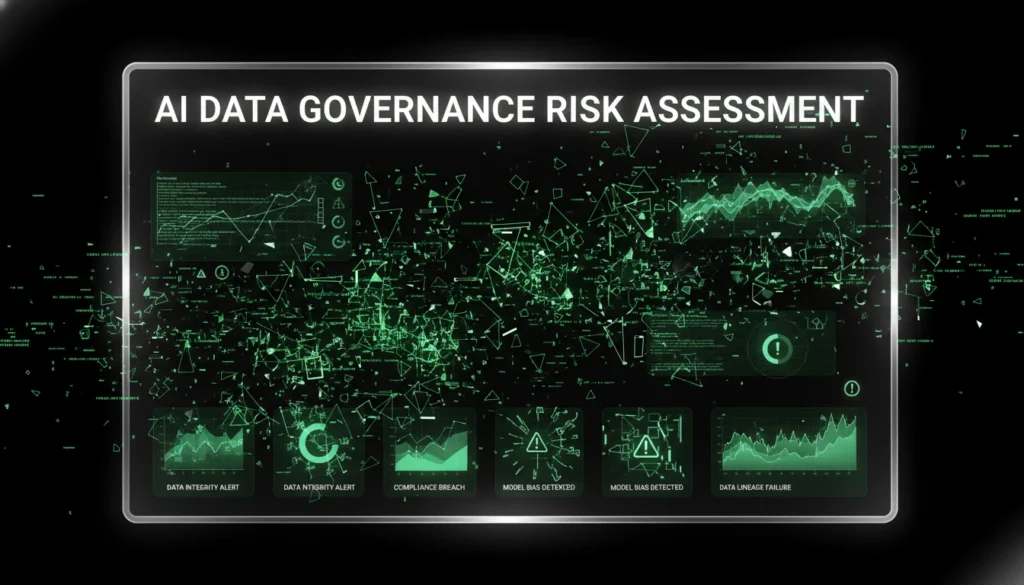
AI systems depend entirely on data integrity. Inconsistent, biased, or incomplete datasets silently undermine AI performance. Weak data governance remains one of the most damaging hidden risks enterprises face before using AI.
Without clear data ownership, validation rules, and lifecycle controls, AI outputs can mislead decision-makers and scale errors across the organization.
3. Security and Intellectual Property Exposure
AI introduces new security vulnerabilities. Training models on proprietary or customer data without proper safeguards can expose intellectual property and sensitive information.
Enterprises that fail to assess how AI models store, process, and share data often discover security breaches too late—making this one of the most critical hidden risks enterprises face before using AI.
4. Regulatory and Compliance Blind Spots
Global regulations around AI are evolving rapidly. Enterprises adopting AI without compliance readiness face legal penalties, audits, and reputational damage.
Hidden risks enterprises face before using AI include deploying systems that lack transparency, explainability, or auditability—capabilities increasingly demanded by regulators and enterprise clients.
5. Ethical and Bias-Related Failures
AI models can unintentionally reinforce bias present in training data. When left unchecked, these biases impact hiring, lending, customer engagement, and risk assessment decisions.
Ethical failures erode trust and can permanently damage brand credibility, especially in regulated industries.
6. Vendor Lock-In and Architectural Dependency
Over-reliance on third-party AI platforms without exit strategies creates long-term dependency. Enterprises may face rising costs, limited flexibility, and migration challenges.
A lack of architectural foresight is a hidden risk enterprises face before using AI that becomes expensive to reverse later.
7. Organizational and Skills Readiness Gaps
AI adoption requires more than technology—it demands new skills, governance roles, and cross-functional collaboration. Enterprises often underestimate the internal readiness required to manage AI responsibly.
Without trained teams and accountability frameworks, AI initiatives stall or operate without control.
Conclusion: Address AI Risks Before They Scale
The hidden risks enterprises face before using AI are manageable—but only with proactive planning. Enterprises that invest in governance, security, and strategic alignment gain sustainable advantages, while others face costly course corrections.
Learn how DB Soft Tech approaches responsible AI adoption on our About Us page.
Ready to adopt AI securely and strategically? Contact DB Soft Tech to build an enterprise-ready AI roadmap.