
Minimalist luxury is redefining how high performers, leaders, and modern enterprises think about value, success, and well-being. In 2026, luxury is no longer defined by excess—it is defined by intentionality. Understanding minimalist luxury means learning how to live better with significantly less, while maximizing clarity, quality, and long-term satisfaction.
As economic uncertainty, digital overload, and environmental concerns intensify, individuals and organizations are shifting away from accumulation toward conscious consumption. Minimalist luxury represents a strategic response to this cultural shift.
The Evolution of Luxury in a Post-Excess Era
Traditional luxury emphasized ownership, visibility, and abundance. However, in a world saturated with options, excess has become a burden rather than a benefit.
Minimalist luxury prioritizes timeless design, purposeful choices, and experiences over possessions. It reflects a mindset where quality replaces quantity and where fewer, better things create greater value.

Why Less Creates More Value
Living with less reduces cognitive load and decision fatigue. By eliminating unnecessary possessions, commitments, and distractions, individuals reclaim time and mental clarity.
This approach aligns with high-performance lifestyles, where focus, energy, and intentional rest are critical assets. Minimalist luxury is not about deprivation—it is about optimizing life around what truly matters.
Minimalist Luxury in Work and Daily Living
In professional environments, minimalist luxury translates into streamlined workflows, intentional schedules, and thoughtfully designed spaces. Leaders are redesigning their lives around fewer meetings, deeper work, and higher-impact decisions.
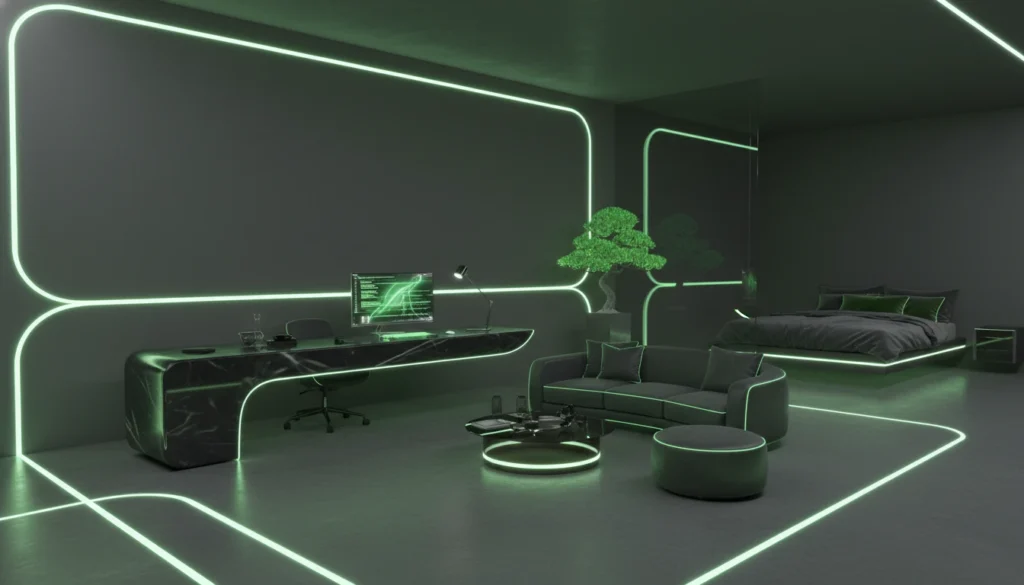
At home, it appears as curated living spaces, multifunctional items, and a focus on comfort rather than display. The result is a lifestyle that feels expansive despite having less.
Sustainability and Conscious Consumption
Minimalist luxury naturally aligns with sustainability. Consuming less reduces waste, lowers environmental impact, and encourages responsible production.
In 2026, sustainability is no longer a niche concern—it is a core value for consumers and enterprises alike. Choosing fewer, higher-quality products supports ethical supply chains and long-term environmental health.
The Psychology of Intentional Living
Research consistently shows that experiences, autonomy, and purpose contribute more to happiness than material accumulation. Minimalist luxury embraces this truth by shifting focus inward rather than outward.
Living intentionally fosters a sense of control and fulfillment. When possessions and commitments are aligned with personal values, life becomes simpler, calmer, and more meaningful.
Technology as an Enabler, Not a Distraction
Technology plays a critical role in minimalist luxury when used intentionally. Automation, digital services, and smart tools reduce friction and eliminate unnecessary effort.
In 2026, the most successful individuals and enterprises use technology to simplify life—not complicate it. Digital minimalism complements physical minimalism, creating a cohesive, balanced lifestyle.
Conclusion: Redefining Success Through Simplicity
Minimalist luxury represents a fundamental shift in how success is defined. Living better with significantly less is not about sacrifice—it is about clarity, freedom, and intentional design.
As 2026 approaches, those who embrace minimalist luxury will gain an advantage in focus, well-being, and long-term satisfaction. Learn how DB Soft Tech helps organizations and leaders design future-ready lifestyles and systems on our About Us page.
Ready to simplify, optimize, and live better with less? Contact DB Soft Tech to explore strategic approaches to modern living and performance.