
Artificial intelligence is no longer a peripheral technology in healthcare. It has become a foundational capability that shapes how clinicians diagnose disease, how hospitals operate, and how patients experience care. Understanding why AI is becoming essential in modern medicine is critical for healthcare leaders seeking to deliver better outcomes while managing rising costs and operational complexity.
Modern medicine faces unprecedented pressure from aging populations, chronic disease, and workforce shortages. AI offers scalable, data-driven solutions that improve accuracy, speed, and efficiency across the entire healthcare ecosystem.
Data-Driven Diagnosis Is Transforming Clinical Accuracy
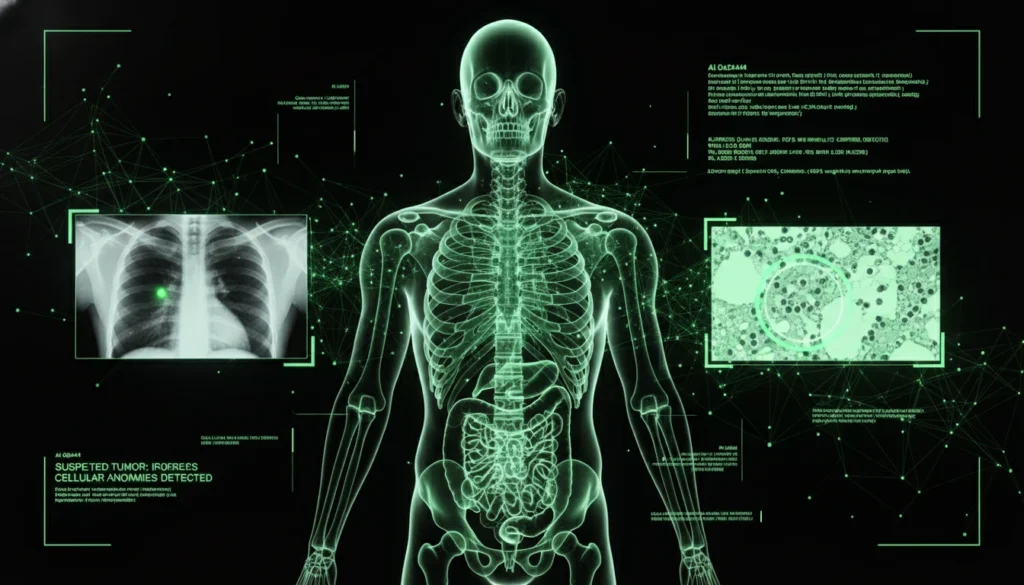
One of the primary reasons why AI is becoming essential in modern medicine is its ability to analyze vast volumes of clinical data. Medical imaging, pathology slides, and electronic health records contain patterns that are difficult for humans to detect consistently.
AI models process these datasets in seconds, identifying abnormalities, prioritizing urgent cases, and supporting earlier diagnosis. This capability reduces missed conditions and accelerates time to treatment, directly improving patient survival and quality of life.
Predictive Analytics Enables Proactive Care
Healthcare has traditionally been reactive, responding to symptoms after patients become unwell. AI changes this model by enabling predictive analytics that identify risk before clinical deterioration occurs.
By analyzing patient history, lab results, and real-time monitoring data, AI can predict events such as sepsis, heart failure, or hospital readmission. This shift to proactive care is a major reason why AI is becoming essential in modern medicine.
Personalized Treatment Improves Outcomes
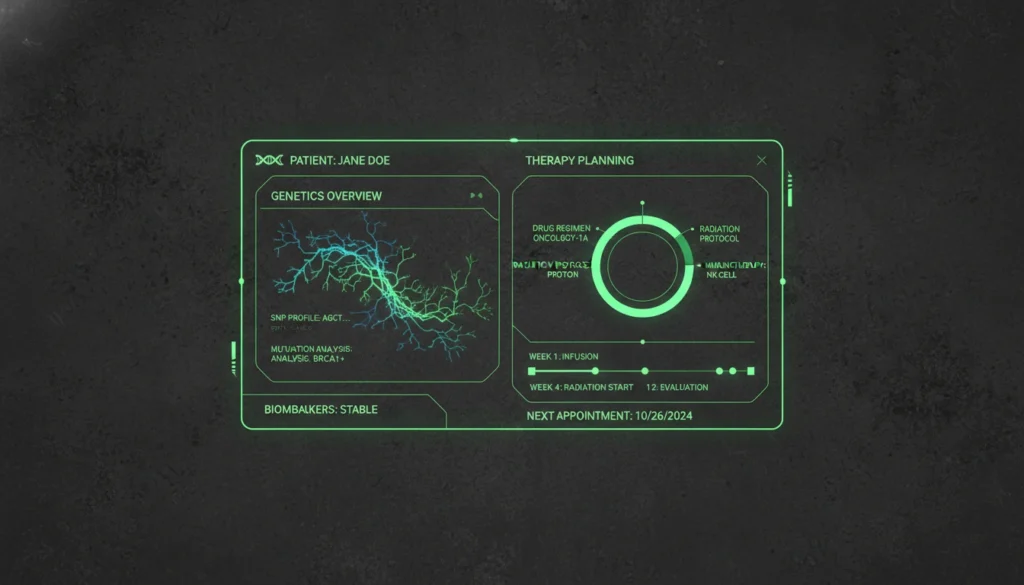
AI enables precision medicine by tailoring treatment to individual patient profiles. Genetic data, lifestyle factors, and treatment responses are analyzed to recommend therapies with the highest likelihood of success.
This personalization reduces trial-and-error treatment, minimizes side effects, and improves recovery rates. For complex conditions such as cancer and autoimmune diseases, AI-driven personalization is transforming standards of care.
Operational Efficiency Strengthens Patient Experience
Patient outcomes depend not only on clinical decisions but also on how efficiently care is delivered. AI optimizes scheduling, bed management, staffing, and patient flow across hospitals and clinics.
Reducing waiting times, minimizing overcrowding, and ensuring resources are available when needed improves both patient satisfaction and clinical effectiveness. This operational impact explains why AI is becoming essential in modern medicine at scale.
Clinical Decision Support Reduces Errors
AI-driven decision support tools integrate medical guidelines, research data, and patient history to provide evidence-based recommendations at the point of care.
These systems reduce diagnostic variability, highlight potential drug interactions, and support complex clinical decisions. By acting as a second set of expert eyes, AI improves safety and consistency across healthcare teams.
Remote Monitoring Expands Access to Care
AI-powered monitoring tools analyze data from wearables, home devices, and telehealth platforms to track patient health outside hospital walls.
Early alerts enable clinicians to intervene before conditions worsen, reducing hospital admissions and supporting chronic disease management. This expanded reach is another key reason why AI is becoming essential in modern medicine.
Research and Drug Discovery Accelerate Innovation
AI significantly reduces the time required to discover and test new therapies. By analyzing molecular data, clinical trial results, and real-world evidence, AI identifies promising drug candidates faster and more cost-effectively.
This acceleration brings life-saving treatments to patients sooner and strengthens the long-term sustainability of medical research.
Conclusion: AI Is Redefining the Future of Healthcare
The reasons why AI is becoming essential in modern medicine extend across diagnosis, treatment, operations, and research. AI enhances accuracy, enables proactive care, and allows healthcare systems to scale without compromising quality.
Guidance from the World Health Organization highlights how responsible AI adoption is improving patient safety and clinical decision-making worldwide.
Learn how DB Soft Tech supports healthcare organizations with secure, enterprise-grade AI platforms on our About Us page.
Ready to modernize healthcare delivery with AI? Contact DB Soft Tech to design compliant, scalable AI solutions for modern medical systems.