
Cybersecurity is entering a new era of complexity. As enterprises expand across cloud platforms, remote work environments, and connected devices, digital risk is growing faster than traditional security models can handle. Understanding the critical cybersecurity trends enterprises face in 2026 is essential for protecting data, infrastructure, and business continuity.
Attackers are becoming more sophisticated, leveraging automation, artificial intelligence, and global networks to exploit vulnerabilities at scale. In response, organizations must rethink how security is designed, governed, and executed.
1. AI-Driven Cyber Attacks Increase in Scale
One of the most critical cybersecurity trends enterprises face in 2026 is the rise of AI-powered cyber threats. Attackers now use machine learning to automate phishing, bypass security controls, and discover vulnerabilities faster than ever before.
These AI-driven attacks adapt in real time, making them harder to detect using traditional signature-based tools. Enterprises must respond with equally intelligent defence systems to remain protected.

2. Zero Trust Becomes the Security Standard
As users, applications, and data move beyond traditional network boundaries, perimeter-based security models become ineffective. Zero Trust security assumes that no device or user should be trusted by default.
Enterprises are implementing continuous identity verification, least-privilege access, and real-time monitoring to reduce the risk of breaches. This shift is a defining cybersecurity trend shaping enterprise security in 2026.
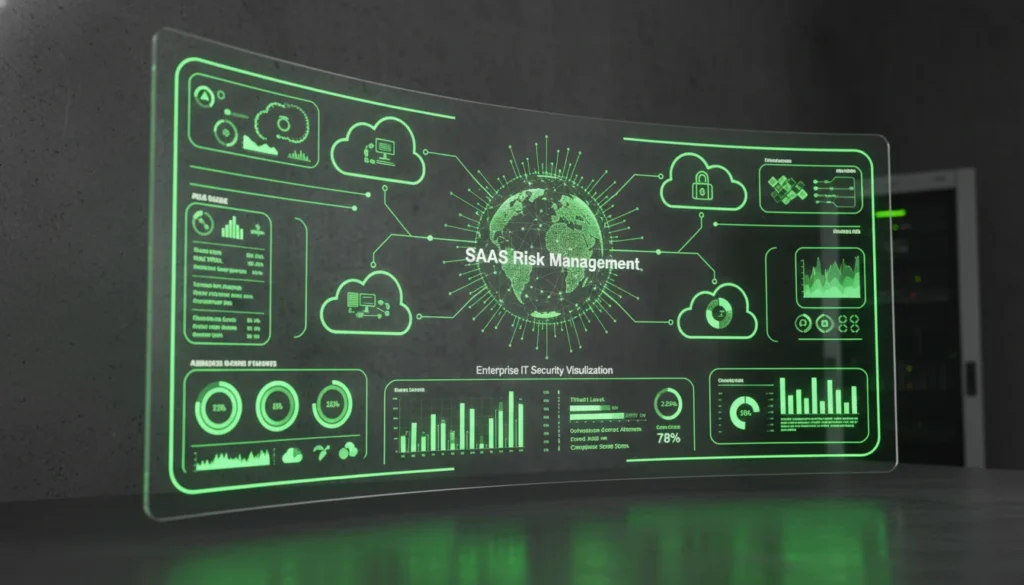
3. Cloud and SaaS Security Risks Expand
The rapid adoption of cloud platforms and SaaS applications creates new attack surfaces. Misconfigurations, insecure APIs, and identity vulnerabilities are now leading causes of data breaches.
Enterprises must gain full visibility into their cloud environments and enforce consistent security controls across providers to mitigate these growing risks.
4. Regulatory Pressure and Data Privacy Intensify
Governments worldwide are introducing stricter data protection and cybersecurity regulations. Enterprises must demonstrate how data is protected, accessed, and monitored.
Compliance failures result in financial penalties and reputational damage, making regulatory readiness a top cybersecurity priority for 2026.
5. Cyber Resilience Becomes a Board-Level Issue
Organizations are shifting from breach prevention to cyber resilience. This means preparing for incidents, minimizing impact, and recovering quickly.
Boards and executives are now directly accountable for cybersecurity strategy, ensuring it aligns with business risk, insurance requirements, and long-term continuity.
Why Cybersecurity Strategy Is Now a Business Priority
The critical cybersecurity trends enterprises face in 2026 demonstrate that digital risk is no longer isolated to IT departments. Cyber incidents now impact revenue, regulatory compliance, brand reputation, and customer trust. This makes cybersecurity a core element of enterprise risk management.
Boards and executive teams are increasingly accountable for how security investments align with business objectives. A mature cybersecurity strategy integrates technology, governance, and workforce readiness to ensure the organization can withstand and recover from attacks.
Enterprises that proactively address these challenges build resilience into their digital infrastructure, enabling innovation without exposing the business to unacceptable levels of risk.
Preparing for the critical cybersecurity trends enterprises face in 2026 requires continuous monitoring, staff training, and investment in adaptive security technologies.
These security shifts will define how safely enterprises can grow, innovate, and operate in a digitally connected global economy.
Conclusion: Preparing for the Cybersecurity Reality of 2026
The critical cybersecurity trends enterprises face in 2026 show that digital risk is no longer just an IT concern. It is a business-wide challenge that requires strategic investment, governance, and intelligent security architecture.
Guidance from the Cybersecurity and Infrastructure Security Agency highlights the importance of proactive defence and cyber resilience in protecting modern enterprises.
Learn how DB Soft Tech designs enterprise-grade security solutions on our About Us page.
Ready to future-proof your cybersecurity strategy? Contact DB Soft Tech to build secure, resilient digital systems for 2026 and beyond.