
WhatsApp API vs Business App is a critical decision for organizations planning customer communication, support automation, and engagement at scale. Businesses often begin with the WhatsApp Business App but eventually face limitations as operations grow. Understanding which solution fits operational needs helps enterprises avoid communication bottlenecks and scale efficiently.
Both solutions serve different stages of business maturity. The Business App supports small teams and manual communication, while the API enables automation, integration, and enterprise-level messaging infrastructure.
Understanding the Core Difference
The WhatsApp Business App is designed for small businesses managing limited conversations. It runs on mobile devices and supports manual messaging, labels, and basic automation.
The WhatsApp API is built for scalability. It connects with CRM systems, support platforms, automation tools, and backend workflows, enabling structured and intelligent customer communication.
1. Communication Volume and Scalability
One of the biggest differences in WhatsApp API vs Business App is messaging capacity. The Business App supports limited interactions managed manually, while the API handles thousands of conversations simultaneously.
Enterprises handling high customer volumes require automated routing, chatbot integration, and centralized dashboards, which are only possible with the API.
2. Automation and Workflow Integration
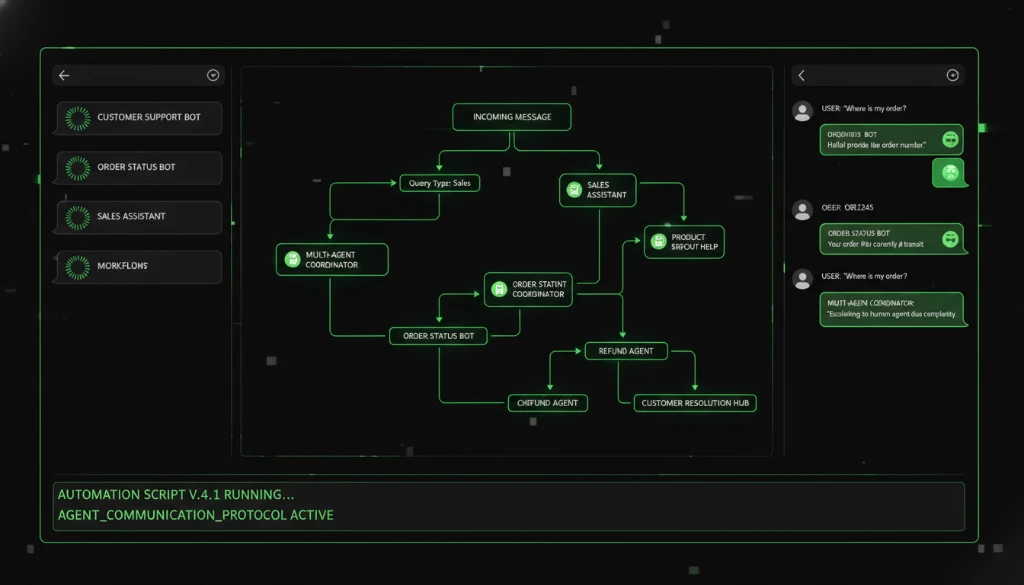
Automation capabilities define long-term communication efficiency. The Business App supports quick replies and simple templates. The API enables full workflow automation, chatbot deployment, and process-driven communication.
Organizations can automate order updates, support tickets, appointment reminders, and transactional messaging using API-based systems.
3. Multi-Agent Support and Collaboration
The Business App is limited to one device and basic team sharing. The API supports multiple agents, departments, and locations through integrated platforms.
This enables customer support teams to collaborate, assign conversations, and maintain structured communication.
4. CRM and System Integration
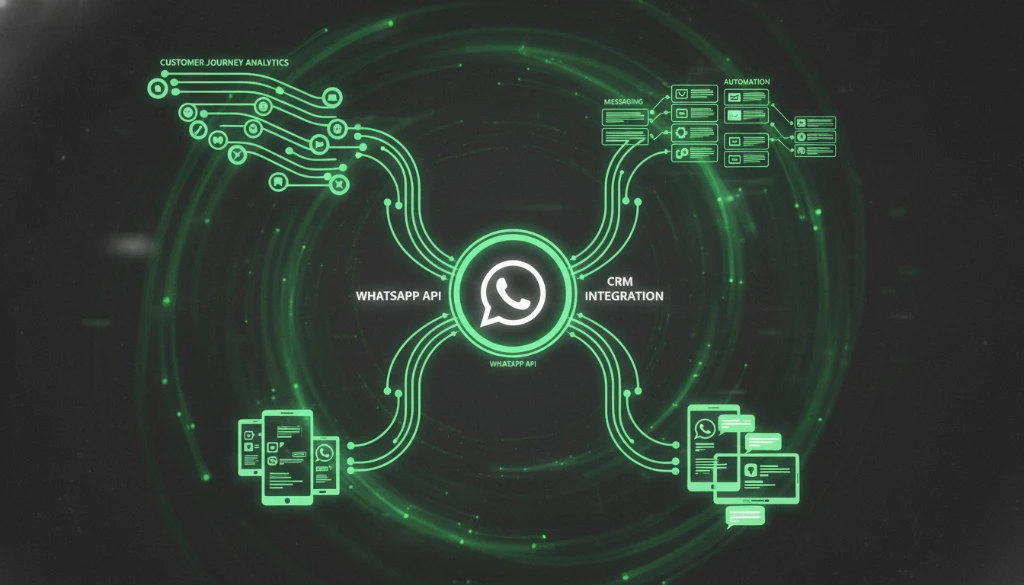
The WhatsApp API connects with CRM tools, marketing platforms, analytics systems, and enterprise databases. This integration allows businesses to track customer journeys and personalize communication.
The Business App operates independently and lacks deep system connectivity.
5. Data Intelligence and Analytics
Data visibility is limited in the Business App. The API provides insights into response times, conversation patterns, campaign performance, and engagement metrics.
These insights help organizations optimize communication strategies and improve customer satisfaction.
Which Businesses Should Use the Business App
Small businesses with limited communication needs benefit from the simplicity of the Business App. It is suitable for manual interactions, local operations, and early-stage customer engagement.
However, growth quickly exposes operational limitations.
When Enterprises Should Choose WhatsApp API
Organizations handling large customer bases, multiple agents, and automation workflows require the API. It supports integration, scalability, and structured communication strategies.
The WhatsApp API becomes essential for ecommerce, fintech, logistics, healthcare, and service-driven enterprises.
Conclusion: Choosing the Right Communication Infrastructure
WhatsApp API vs Business App is ultimately a decision about scale, automation, and operational maturity. Businesses must evaluate communication volume, integration needs, and growth plans before choosing a platform.
Industry messaging insights from Meta Business highlight the importance of structured messaging infrastructure for enterprise communication.
Learn how DB Soft Tech helps organizations build scalable messaging ecosystems on our About Us page.
Ready to implement enterprise messaging solutions? Contact DB Soft Tech to design scalable WhatsApp automation strategies tailored to your business.