
On-device vs cloud AI is becoming a defining debate as enterprises optimize mobile performance, privacy, and operational efficiency. Artificial intelligence has traditionally relied on cloud-based computation, where data is processed on remote servers. However, advances in mobile chipsets and edge computing are shifting AI workloads directly onto devices. This transition is accelerating, making 2026 the year of local inference for mobile ecosystems.
Organizations building mobile-first products must evaluate performance trade-offs, data governance requirements, and infrastructure costs when choosing between these two AI architectures.
Understanding the Core Architectural Difference
Cloud AI processes data in centralized data centers. User inputs are transmitted to remote servers, analyzed, and returned as outputs. This model offers scalability and centralized control.
On-device AI performs inference directly on smartphones, tablets, or edge hardware. Data remains local, reducing latency and improving privacy.
1. Privacy and Data Protection
One of the strongest drivers behind on-device vs cloud AI adoption is privacy. Cloud-based AI requires user data transmission, increasing exposure risk.
Local inference minimizes data movement, ensuring sensitive information such as voice inputs, images, and biometric data remains on the device.

2. Latency and Real-Time Performance
Cloud inference depends on network connectivity and server response times. In low-connectivity environments, performance degrades.
On-device AI delivers instant processing without network delays, making it ideal for real-time translation, voice assistants, AR experiences, and mobile personalization.
3. Cost Optimization for Enterprises
Cloud AI involves ongoing infrastructure and bandwidth costs. As usage scales, operational expenses rise.
Local inference reduces cloud dependency, lowering recurring costs and enabling predictable scaling.
4. Offline Functionality and Reliability
Cloud systems fail when connectivity fails. On-device AI continues functioning offline, improving user experience in remote or unstable network environments.
This reliability makes on-device AI essential for mobile applications in healthcare, logistics, and field operations.
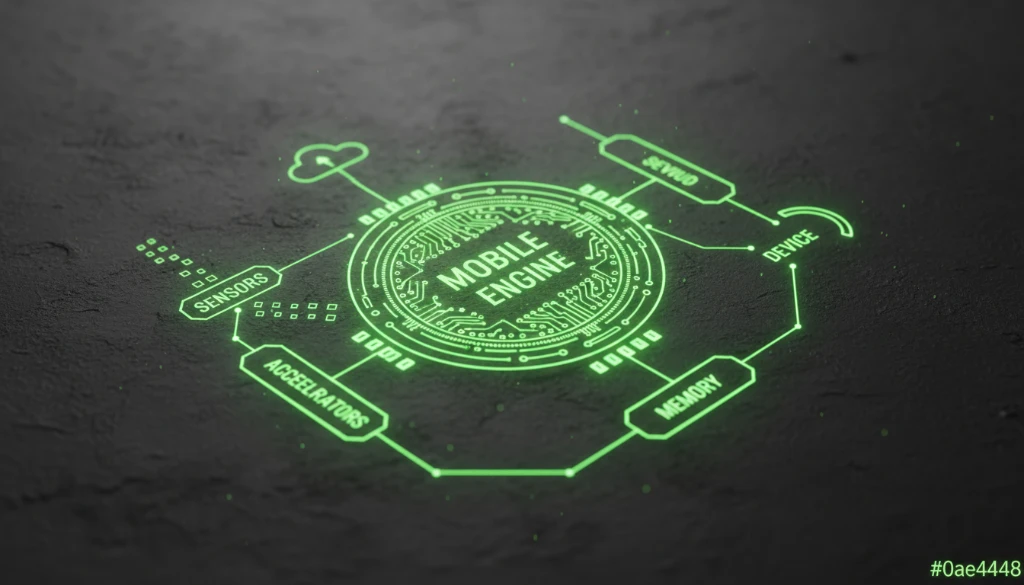
5. Energy Efficiency and Hardware Evolution
Modern mobile processors integrate neural engines optimized for AI workloads. These chips perform inference efficiently with minimal battery drain.
The evolution of hardware is accelerating the shift toward local processing, making 2026 a turning point for AI deployment strategies.
When Cloud AI Still Makes Sense
Despite advantages of local inference, cloud AI remains valuable for large-scale model training, complex computations, and centralized analytics.
Hybrid architectures combining cloud training with on-device inference are becoming the dominant enterprise strategy.
Enterprise Strategy for 2026
Businesses must evaluate data sensitivity, latency requirements, cost structures, and device capabilities. On-device vs cloud AI decisions should align with compliance, customer expectations, and scalability goals.
The shift toward local inference reflects broader industry focus on privacy, performance, and user trust.
Conclusion: The Rise of Local Intelligence
On-device vs cloud AI is no longer a theoretical comparison. It is a strategic infrastructure decision. As mobile hardware evolves and privacy regulations tighten, local inference will define next-generation digital products.
Industry research from Gartner highlights edge intelligence as a key growth driver in digital ecosystems.
Learn how DB Soft Tech designs AI architectures optimized for privacy and performance on our About Us page.
Ready to implement scalable AI solutions? Contact DB Soft Tech to build enterprise-ready mobile intelligence systems.