
AI-enabled cyber warfare is rapidly transforming how nations conduct digital conflict and protect critical infrastructure. Traditional cyber attacks relied heavily on human operators to identify vulnerabilities, plan attacks, and deploy malware. Artificial intelligence now enables automated threat detection, adaptive malware, and autonomous cyber defense systems capable of operating at machine speed.
Governments and defense organizations worldwide are investing heavily in AI-driven cyber capabilities. These technologies enable both offensive and defensive operations that respond to threats faster than human teams alone can manage.
Understanding the Rise of AI in Cyber Conflict
Cyber warfare has evolved from isolated hacking incidents into strategic operations targeting national infrastructure, financial systems, and military communications. AI technologies now analyze massive datasets to detect vulnerabilities, predict attack vectors, and automate cyber responses.
The integration of artificial intelligence into cyber operations has created a new digital battlefield where algorithms continuously probe, defend, and adapt.
1. Autonomous Cyber Attack Systems
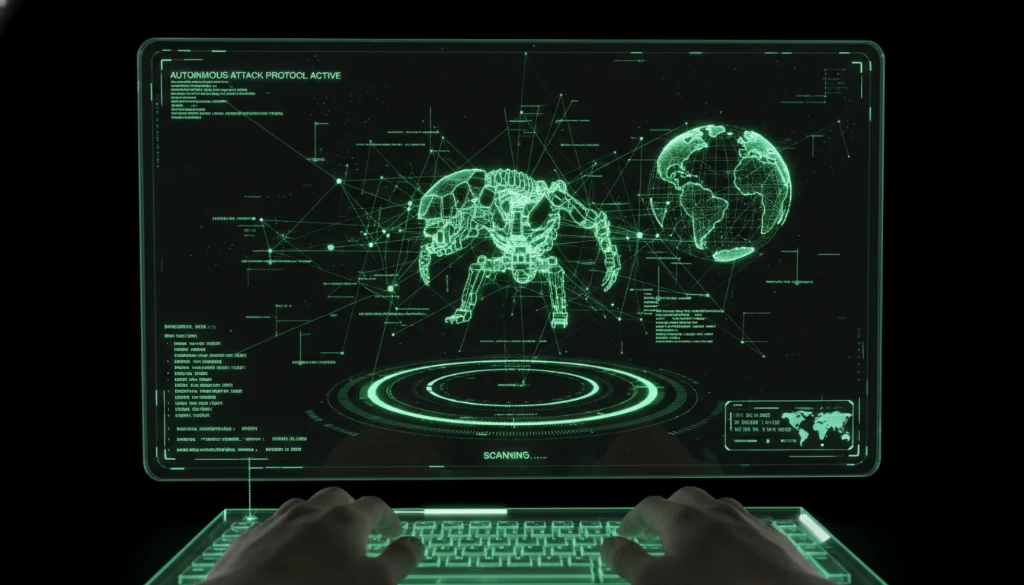
One of the most concerning aspects of AI-enabled cyber warfare is the development of autonomous attack systems. These systems can scan networks, identify weaknesses, and launch targeted exploits without direct human supervision.
Autonomous cyber tools dramatically increase the speed and scale of digital attacks.
2. Intelligent Malware and Adaptive Exploits
AI-powered malware can modify its behavior in response to security systems. Unlike traditional malware, which follows fixed code patterns, adaptive malware evolves to avoid detection.
This makes defense systems more complex and requires advanced monitoring tools capable of identifying behavioral anomalies rather than simple signatures.
3. AI-Driven Cyber Defense Systems
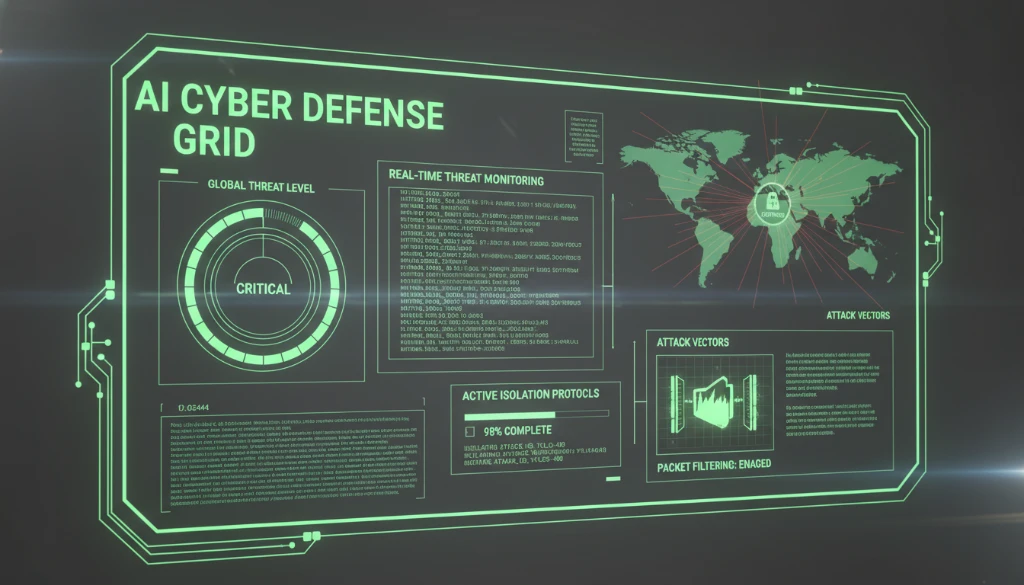
AI is also strengthening defensive capabilities. Cyber defense platforms now use machine learning to monitor network activity, detect anomalies, and isolate threats in real time.
Automated defense reduces response times and allows security teams to respond quickly to sophisticated attacks.
4. Information Warfare and Disinformation Campaigns
Artificial intelligence can generate realistic content, manipulate social media narratives, and automate large-scale disinformation campaigns. These operations influence public perception and disrupt political stability.
AI-enabled cyber warfare extends beyond technical systems into psychological and information domains.
5. Strategic Cyber Intelligence and Surveillance
Advanced AI models analyze intelligence signals, satellite data, and digital communications to identify emerging threats. This capability enables governments to anticipate attacks before they occur.
Predictive cyber intelligence improves national security readiness and threat mitigation.
The Role of Emerging Programs like BadeSaba
Emerging cyber defense initiatives such as BadeSaba highlight the growing emphasis on AI-driven threat analysis and cyber resilience. These programs aim to integrate AI technologies with national security infrastructure to strengthen digital defense strategies.
Such initiatives reflect the global race to develop resilient cyber defense systems capable of countering sophisticated digital attacks.
Global Implications for Security
AI-enabled cyber warfare introduces significant geopolitical challenges. The speed and automation of AI attacks can escalate conflicts quickly and create unpredictable consequences.
International cooperation and regulatory frameworks may become necessary to prevent uncontrolled escalation in digital warfare.
Conclusion: The New Digital Battlefield
AI-enabled cyber warfare represents a fundamental shift in global security dynamics. Artificial intelligence is reshaping how nations defend infrastructure, conduct intelligence operations, and respond to emerging threats.
Research from global cybersecurity analysis highlights the growing role of AI in shaping the future of cyber defense.
Learn how DB Soft Tech builds advanced cybersecurity architectures on our About Us page.
Ready to strengthen your digital security strategy? Contact DB Soft Tech to design resilient AI-driven cybersecurity systems.