Agentic Testing Pipelines
Agentic testing pipelines are transforming how software teams approach quality assurance. Traditional QA processes rely heavily on manual testing, scripted automation, and extensive debugging cycles. As software systems grow more complex and release cycles accelerate, these traditional methods often struggle to keep pace. AI-driven testing systems now enable pipelines that can detect issues, repair failing tests, and adapt automatically as applications evolve.
In modern development environments, agentic testing pipelines integrate artificial intelligence directly into CI/CD workflows. Instead of waiting for human testers to identify problems, intelligent agents monitor code changes, execute tests automatically, and correct failures in real time. This approach dramatically reduces development delays while improving software reliability.
The Limits of Traditional QA Workflows
Manual testing and rigid automated scripts often break when applications change. Even minor UI updates or API modifications can cause automated tests to fail, forcing QA teams to rewrite scripts repeatedly. This maintenance burden consumes significant time and slows down development cycles.
Agentic testing pipelines address this challenge by enabling adaptive testing systems capable of understanding application behavior and adjusting tests automatically.
1. Self-Healing Test Automation
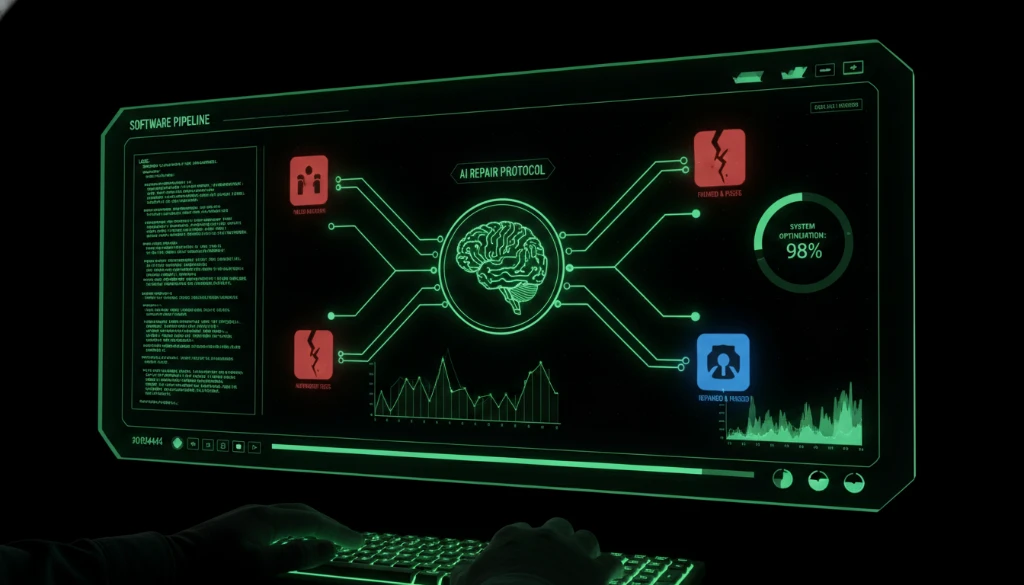
One of the most important features of agentic testing pipelines is self-healing test automation. When application elements change, AI systems can recognize updated identifiers, UI structures, or workflows and adjust tests accordingly.
Instead of failing due to minor interface changes, tests automatically update their references and continue validating functionality.
2. Continuous Code Monitoring
AI-powered testing agents monitor code repositories continuously. Every commit or merge triggers automated analysis that evaluates potential risks or errors introduced by new changes.
This proactive monitoring allows teams to detect issues immediately rather than waiting for manual QA cycles.
3. Intelligent Bug Detection
Agentic testing pipelines use machine learning models to identify patterns associated with common software defects. These models analyze application behavior, logs, and performance metrics to detect anomalies.
This capability enables faster bug discovery and reduces the risk of critical issues reaching production environments.
4. Automated Debugging Assistance
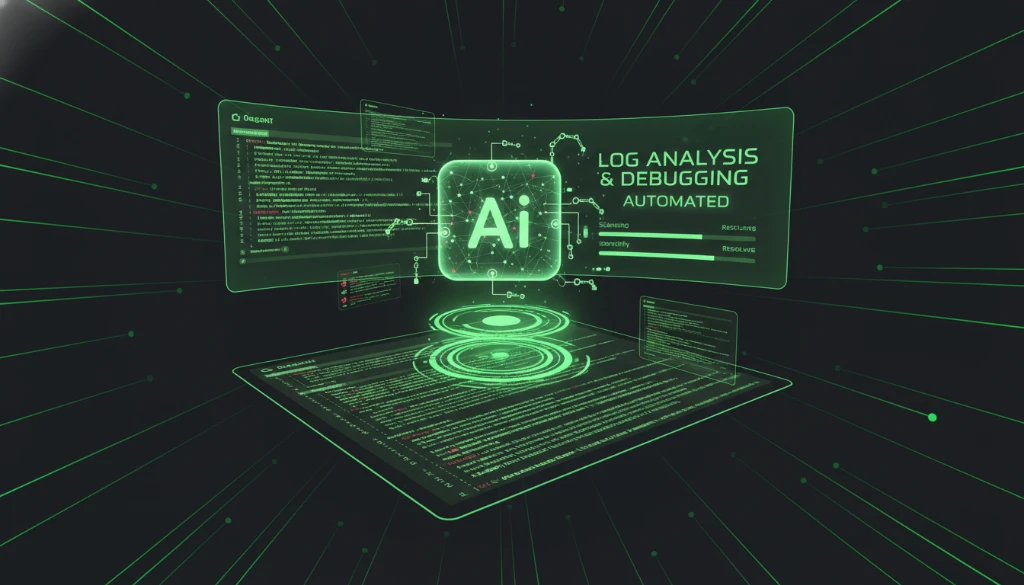
When failures occur, AI-driven testing tools analyze stack traces, logs, and system interactions to identify potential root causes. Developers receive detailed insights about where problems originate and how they might be resolved.
This automated debugging assistance significantly reduces the time required to diagnose issues.
5. Adaptive Test Generation
Agentic testing pipelines can automatically generate new test cases based on application changes and user behavior patterns. Instead of relying solely on predefined scripts, AI systems expand test coverage dynamically.
This ensures that emerging application features are tested even before manual QA teams update their test suites.
Challenges in AI-Driven QA
Despite its advantages, implementing agentic testing pipelines requires careful integration with existing development infrastructure. Organizations must ensure that AI-driven testing tools align with CI/CD workflows, version control systems, and deployment pipelines.
Teams must also establish governance policies that verify AI-generated tests and debugging recommendations.
The Future of Software Testing
As AI continues to evolve, testing pipelines will become increasingly autonomous. Future development environments may feature fully intelligent QA systems that monitor applications continuously and repair issues automatically.
Agentic testing pipelines represent an early stage of this transformation, where quality assurance shifts from reactive debugging to proactive system health management.
Conclusion: From Manual QA to Intelligent Testing
Agentic testing pipelines demonstrate how artificial intelligence is reshaping software quality assurance. By automating bug detection, repairing failing tests, and generating adaptive test cases, these systems enable faster and more reliable development cycles.
Learn how DB Soft Tech builds advanced AI-driven development infrastructure on our About Us page.
Ready to modernize your QA pipeline with intelligent automation? Contact DB Soft Tech to design scalable testing systems for your development teams.