
AI accelerating modern warfare is transforming how military operations identify threats, analyze intelligence, and execute missions. Historically, target identification and operational planning required large teams of analysts reviewing satellite images, intelligence reports, and reconnaissance data. Artificial intelligence now processes these data streams within seconds, dramatically reducing the time required to make strategic decisions.
This capability has led to the concept sometimes described as the “24-hour target list,” where AI systems rapidly generate actionable intelligence for military planning. By combining machine learning, sensor networks, and predictive analytics, modern defense systems can identify potential threats far more quickly than traditional intelligence methods.
The Changing Pace of Military Operations
Military conflicts have always depended on speed of decision-making. Commanders who receive accurate intelligence quickly can gain a strategic advantage over opponents. AI systems are accelerating this process by analyzing massive datasets that include satellite imagery, drone footage, communication signals, and battlefield sensor data.
AI accelerating modern warfare enables faster analysis of these inputs, helping military leaders identify emerging threats and prioritize responses.
1. Automated Intelligence Analysis
Artificial intelligence can process satellite images and surveillance data to identify patterns such as troop movements, infrastructure changes, or unusual activity. Machine learning models recognize visual features that might be missed by human analysts.
This automation dramatically reduces the time required to transform raw intelligence into actionable insights.
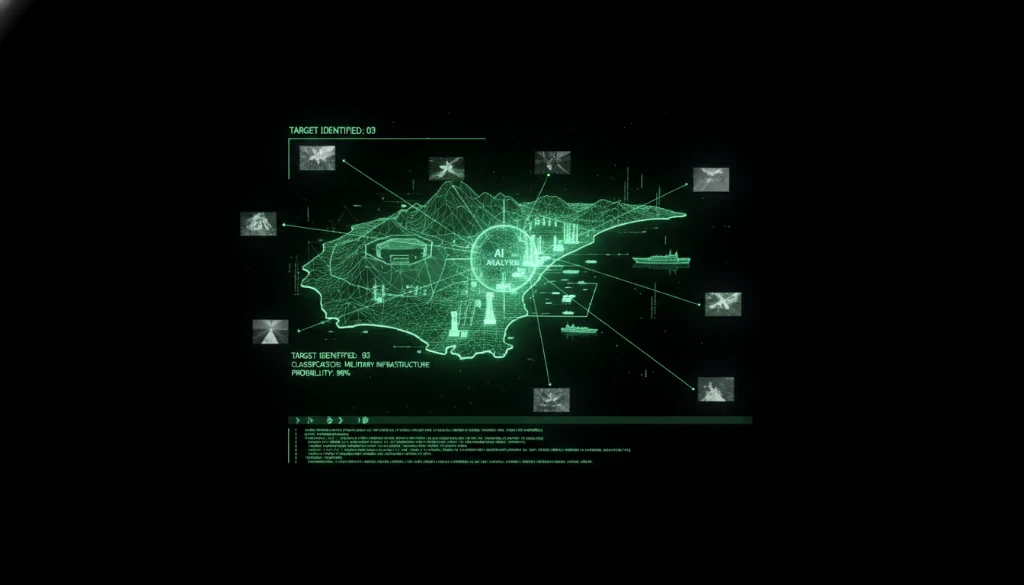
2. Rapid Target Identification
Modern AI systems can correlate multiple intelligence signals to identify potential targets. By combining satellite imagery, radar data, and electronic signals, AI tools can create comprehensive threat profiles.
These systems help commanders evaluate options more quickly during rapidly evolving situations.
3. Predictive Battlefield Analytics
Predictive analytics allows AI systems to anticipate potential movements or actions by analyzing historical data and current intelligence signals. This capability helps military planners prepare responses before threats fully materialize.
Predictive modeling can also identify logistical weaknesses or vulnerabilities in operational environments.
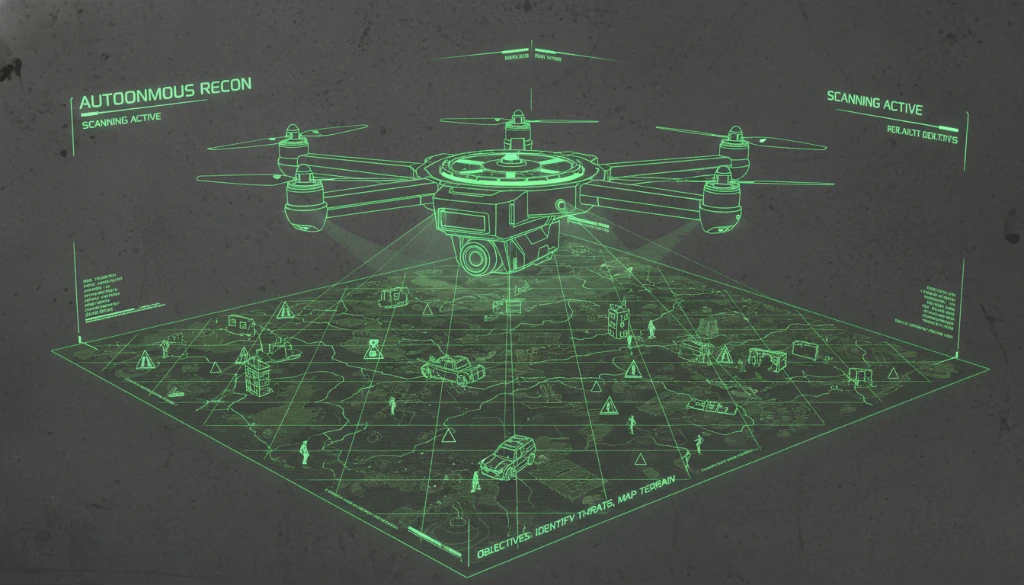
4. Autonomous Reconnaissance Systems
Drones and autonomous surveillance platforms increasingly rely on AI to navigate environments, identify objects, and transmit intelligence data. These systems operate continuously and provide real-time situational awareness.
Autonomous reconnaissance expands the range and speed of intelligence gathering.
5. Faster Decision Support Systems
AI-driven decision support tools analyze battlefield scenarios and recommend potential strategies. These systems simulate possible outcomes based on available intelligence and operational constraints.
While human commanders remain responsible for final decisions, AI systems provide analytical insights that improve situational awareness.
Ethical and Strategic Considerations
The use of AI in military contexts raises significant ethical and governance questions. Automated systems must be carefully monitored to ensure that decision-making remains transparent and accountable. International discussions are increasingly focused on establishing guidelines for the responsible use of AI in warfare.
Maintaining human oversight remains a key principle in many defense strategies.
The Future of AI in Military Strategy
AI accelerating modern warfare is likely to continue shaping defense capabilities in the coming decades. Advances in computing power, sensor networks, and machine learning will further expand the speed and precision of intelligence analysis.
Future defense systems may integrate AI across logistics, cybersecurity, and battlefield planning to create fully connected operational ecosystems.
Conclusion: Speed as a Strategic Advantage
AI accelerating modern warfare demonstrates how artificial intelligence is reshaping the speed and complexity of modern conflict. By processing vast amounts of intelligence data rapidly, AI systems provide decision-makers with unprecedented situational awareness.
Research from global security research highlights the increasing role of AI technologies in modern defense strategies.
Learn how DB Soft Tech builds advanced analytics and AI infrastructure on our About Us page.
Ready to explore advanced AI-powered analytics systems? Contact DB Soft Tech to design scalable technology solutions.