
Artificial intelligence is no longer an experimental technology in healthcare. It is becoming a core clinical and operational capability that directly influences quality of care. Understanding the AI use cases improving patient outcomes is essential for hospitals, health systems, and digital health providers seeking measurable gains in accuracy, safety, and efficiency.
From diagnostics to long-term monitoring, AI helps clinicians make faster, more informed decisions while reducing human error and operational bottlenecks. As healthcare faces growing demand and limited resources, these use cases are becoming mission-critical.
1. AI-Powered Medical Imaging and Diagnostics
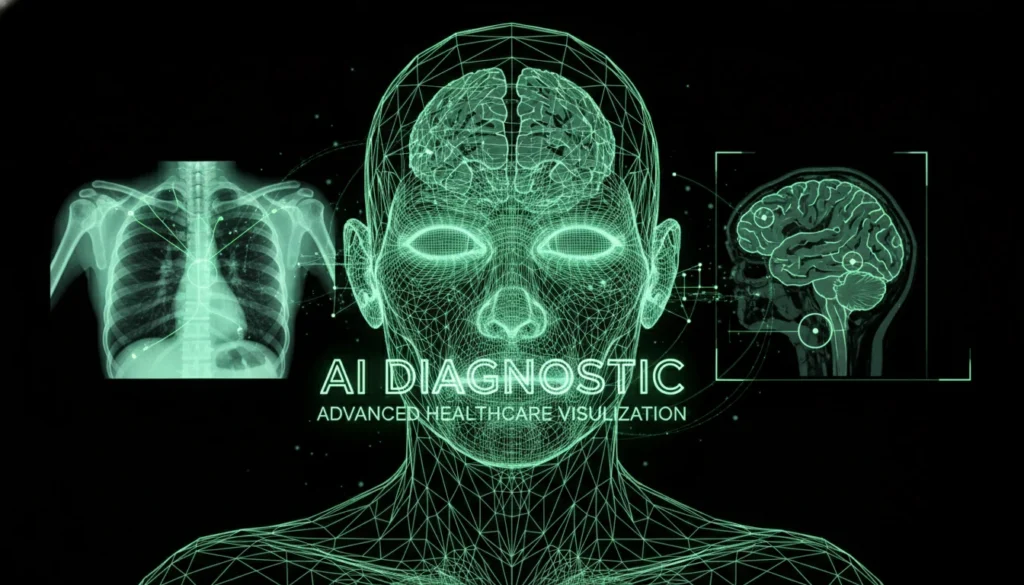
One of the most impactful AI use cases improving patient outcomes is medical imaging analysis. AI systems can examine X-rays, CT scans, MRIs, and pathology slides with remarkable precision, highlighting abnormalities that may be difficult to detect consistently with the human eye.
These tools assist radiologists and pathologists by prioritizing urgent cases, reducing missed diagnoses, and accelerating time to treatment. Earlier and more accurate detection directly translates into better survival rates and improved quality of life for patients.
2. Predictive Analytics for Early Disease Detection
AI models analyze patient records, laboratory results, and historical health data to identify early warning signs of serious conditions. This allows clinicians to intervene before symptoms become severe.
Predictive analytics is one of the most valuable AI use cases improving patient outcomes because it shifts healthcare from reactive to proactive care. Conditions such as sepsis, heart disease, and diabetes complications can be addressed earlier, reducing hospitalizations and long-term complications.
3. Personalized Treatment and Precision Medicine
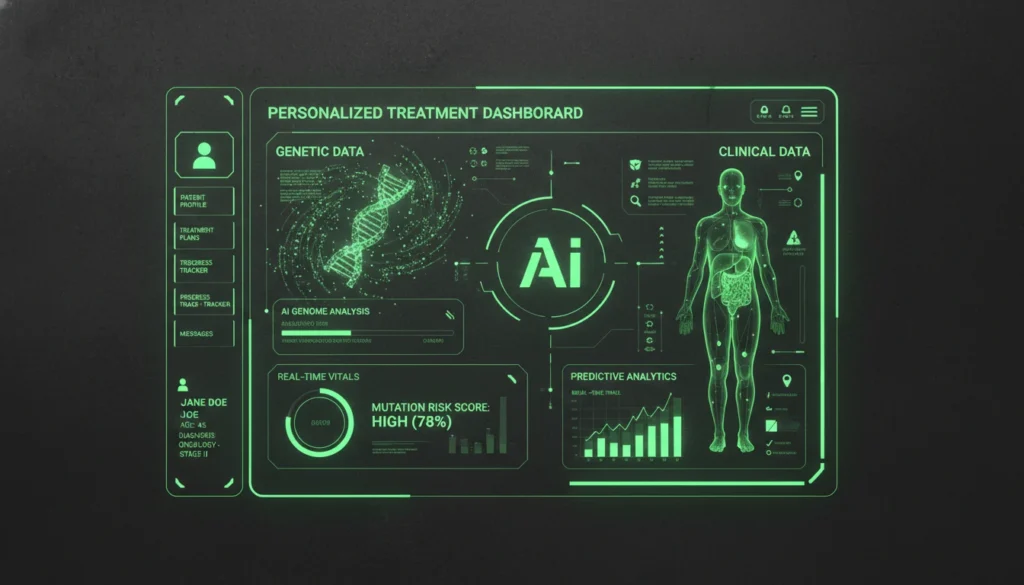
AI enables treatment plans tailored to the unique profile of each patient. By analyzing genetics, lifestyle factors, and previous treatment responses, AI systems recommend therapies with the highest likelihood of success.
This personalized approach improves effectiveness while minimizing side effects. Precision medicine is rapidly becoming a cornerstone of modern healthcare delivery.
4. Continuous Patient Monitoring and Alerting
AI systems monitor vital signs, wearable devices, and hospital equipment in real time. When unusual patterns appear, clinicians receive immediate alerts.
This AI use case improving patient outcomes helps prevent deterioration, supports early intervention, and reduces the risk of critical events such as cardiac arrest or respiratory failure, especially in intensive care and remote care environments.
5. Clinical Decision Support Systems
AI-driven decision support tools analyze medical guidelines, research data, and patient history to provide evidence-based recommendations to clinicians.
These systems reduce variability in care, support complex diagnoses, and help ensure that patients receive the most appropriate treatment for their condition. This leads to safer, more consistent healthcare delivery across large medical networks.
6. AI-Enabled Workflow Optimization
Patient outcomes are influenced not only by clinical care, but also by how efficiently hospitals operate. AI optimizes scheduling, patient flow, staffing, and resource utilization, ensuring patients receive timely care.
Reducing delays, minimizing overcrowding, and improving coordination directly enhances patient experience and clinical results, making this one of the most overlooked yet powerful AI use cases improving patient outcomes.
Conclusion: AI as a Clinical Performance Multiplier
The AI use cases improving patient outcomes extend across diagnosis, treatment, monitoring, and hospital operations. When implemented responsibly, AI enhances accuracy, speeds up care, and supports clinicians with reliable, data-driven insights.
Clinical research from the World Health Organization confirms the growing role of AI in improving global patient care and clinical decision-making.
As healthcare systems evolve, AI will become foundational to delivering scalable, high-quality care. Learn how DB Soft Tech supports healthcare organizations with secure, enterprise-grade AI solutions on our About Us page.
Ready to transform patient outcomes with AI-powered healthcare systems? Contact DB Soft Tech to build compliant, scalable AI solutions tailored to modern healthcare.