
The concept of an app-less phone is gaining attention as artificial intelligence transforms mobile interfaces. For more than a decade, smartphones have relied on applications as the primary way users interact with digital services. Each activity, from messaging to banking, requires launching a specific app. However, the next generation of mobile interfaces may shift toward AI-driven agents that perform tasks without requiring users to navigate multiple applications.
In this emerging model, AI agents act as intelligent intermediaries between users and digital services. Instead of opening different apps, users simply describe their goals, and the AI system coordinates the necessary actions across multiple platforms.
The Limits of App-Based Interfaces
While app ecosystems have enabled innovation, they also introduce friction. Users must download, update, and manage numerous apps across their devices. Switching between applications interrupts workflows and slows task completion.
The app-less phone model attempts to remove this friction by allowing AI to orchestrate services directly through a conversational interface.
1. AI Agents as the Primary Interface
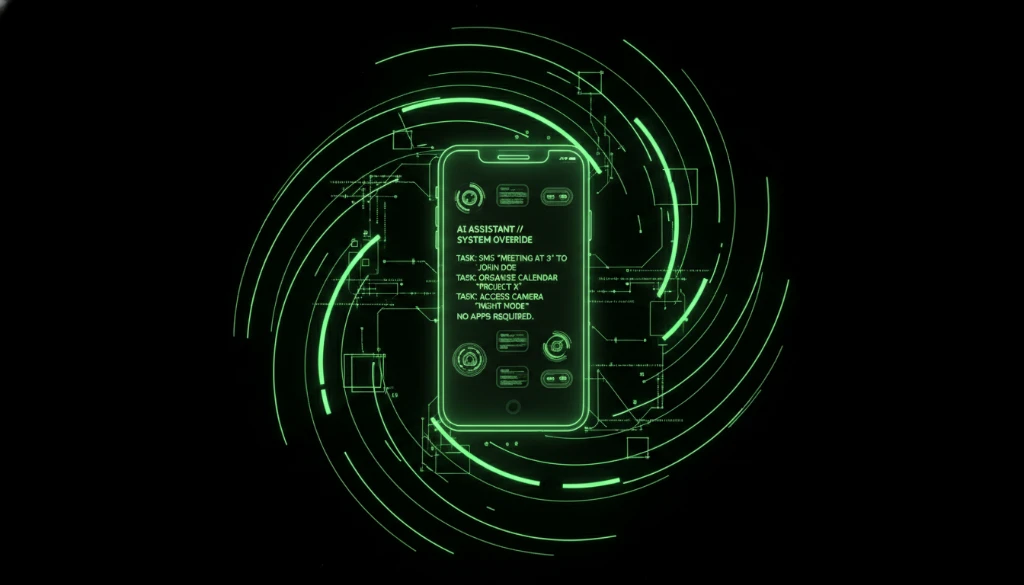
In an app-less phone environment, AI agents become the central operating system interface. These agents understand natural language instructions and translate them into actions such as booking rides, sending messages, or purchasing products.
Instead of navigating menus, users interact through conversational commands or contextual prompts.
2. Task-Oriented User Experiences
Traditional mobile interfaces are organized around applications. AI-driven interfaces organize interactions around tasks and outcomes.
For example, instead of opening separate apps for travel booking, messaging, and calendar management, users simply request an action and the AI system coordinates the necessary services.
3. Personalized Digital Assistants
AI agents powering app-less phone systems learn user preferences, habits, and behavior patterns over time. This enables them to anticipate needs and provide proactive recommendations.
Personalization improves efficiency and creates more intuitive user experiences.
4. Integrated Service Ecosystems
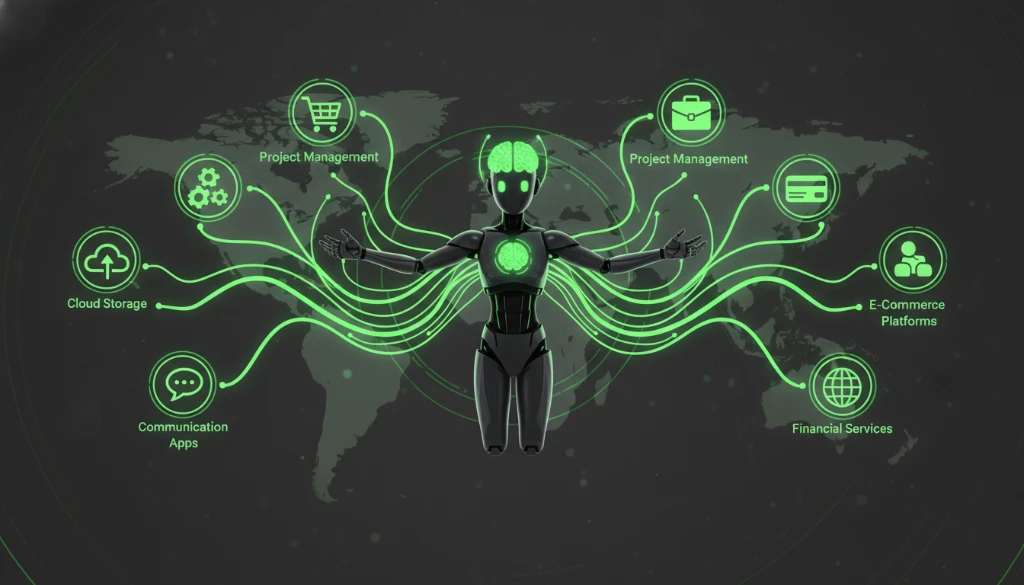
The success of app-less phone systems depends on deep integration between AI platforms and service providers. APIs and digital service frameworks allow AI agents to interact with transportation systems, financial services, ecommerce platforms, and communication networks.
This integration creates a unified ecosystem where services operate behind the scenes.
5. New Opportunities for Developers
The shift toward agent-based interfaces may transform how developers design digital services. Instead of building standalone apps, developers create capabilities that AI systems can call dynamically when needed.
This could lead to a new development paradigm focused on modular services rather than traditional applications.
Challenges of the App-Less Phone Model
Despite its potential advantages, the transition to AI-driven interfaces introduces challenges. Privacy concerns arise when AI agents manage sensitive personal data. Security frameworks must ensure that these systems operate safely and transparently.
User trust will play a significant role in determining how quickly app-less phone systems gain widespread adoption.
The Future of Mobile Interaction
Technology companies are already experimenting with AI-powered mobile assistants that integrate multiple services into unified interfaces. Advances in machine learning, voice recognition, and contextual computing are accelerating this shift.
Over time, the app-less phone may become a viable alternative to traditional app-based ecosystems.
Conclusion: Beyond the App Economy
The app-less phone represents a potential transformation in how people interact with mobile technology. By replacing app navigation with intelligent agents, future devices may deliver faster, more intuitive digital experiences.
Industry research from mobile technology analysis highlights the growing role of AI-driven interfaces in next-generation devices.
Learn how DB Soft Tech develops advanced mobile platforms on our About Us page.
Ready to build intelligent mobile experiences? Contact DB Soft Tech to design AI-driven digital interfaces.