Cloud 3.0 sovereignty is emerging as a critical concept for organizations managing sensitive AI workloads and strategic data assets. Over the past decade, public cloud platforms have enabled rapid scalability and flexible infrastructure for digital services. However, the growing importance of artificial intelligence and data-driven decision making is forcing enterprises to reconsider where and how their data is stored.
As regulatory frameworks tighten and data privacy concerns increase, organizations are exploring private cloud environments that provide greater control over data ownership, governance, and security. Cloud 3.0 sovereignty reflects this shift toward infrastructure models that prioritize control and trust while maintaining the scalability of cloud computing.
The Evolution of Cloud Infrastructure
Cloud computing has evolved through multiple phases. Early cloud adoption focused primarily on cost efficiency and scalability. Businesses moved workloads from on-premise systems to shared public infrastructure managed by cloud providers.
Today, the rise of AI systems and data-intensive applications has created new priorities. Enterprises now require infrastructure that ensures compliance, security, and sovereignty over their most valuable digital assets.
1. Full Control Over Sensitive Data
Private cloud infrastructure allows organizations to maintain direct control over how data is stored, processed, and accessed. Unlike shared public environments, private clouds provide dedicated resources and stronger governance mechanisms.
Cloud 3.0 sovereignty ensures that AI training datasets and operational analytics remain within controlled environments managed by the organization itself.

2. Regulatory Compliance and Data Governance
Many industries operate under strict regulatory frameworks that govern how personal and financial data must be stored and processed. Regulations often require organizations to maintain clear visibility into data flows and storage locations.
Private cloud environments simplify compliance by allowing organizations to enforce consistent governance policies across their infrastructure.
3. Enhanced Security Architecture
Public cloud platforms offer strong security mechanisms, but shared infrastructure can introduce additional complexity in threat management. Private clouds allow organizations to design customized security architectures tailored to their risk environment.
This includes advanced monitoring systems, dedicated encryption frameworks, and network isolation strategies.
4. Optimized Infrastructure for AI Workloads
AI workloads often require specialized hardware such as GPUs and high-performance computing clusters. Private cloud environments enable organizations to configure infrastructure specifically optimized for machine learning training and inference.
Cloud 3.0 sovereignty ensures that performance-sensitive AI systems operate in environments designed for their computational needs.
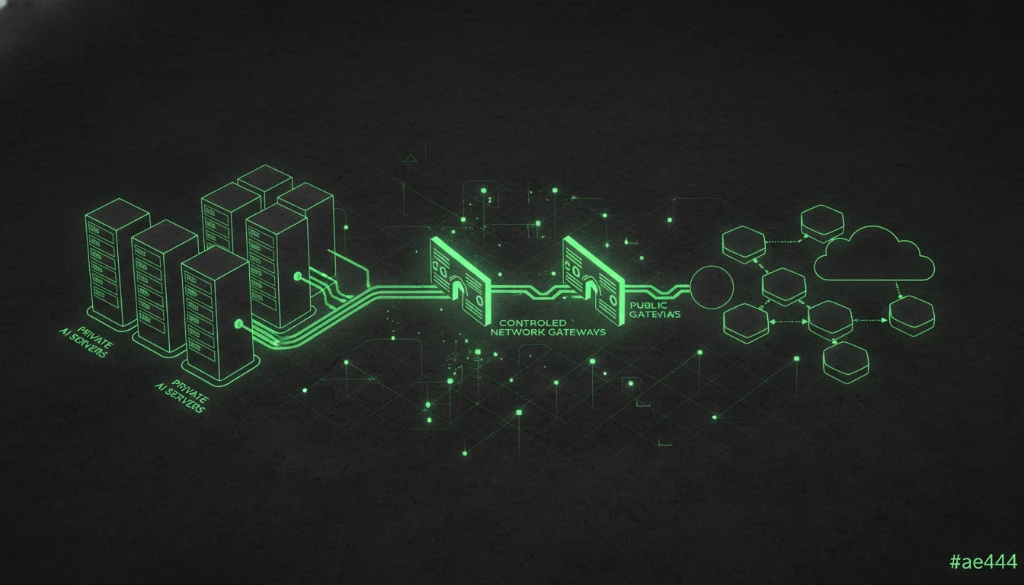
5. Strategic Independence and Resilience
Relying exclusively on external infrastructure providers can create strategic dependencies. Private cloud adoption allows organizations to maintain independence while still benefiting from cloud-based scalability.
Hybrid architectures combining private and public cloud resources are becoming increasingly common as organizations balance flexibility with control.
Challenges of Private Cloud Adoption
Moving to private cloud infrastructure requires careful planning and investment. Organizations must manage hardware procurement, network configuration, and infrastructure maintenance.
However, many enterprises consider these challenges worthwhile in exchange for greater control over their data and AI systems.
The Future of Sovereign Cloud Strategies
Cloud 3.0 sovereignty reflects a broader transformation in enterprise technology strategies. As AI becomes central to business operations, data sovereignty will increasingly influence infrastructure decisions.
Organizations are likely to adopt hybrid cloud strategies that combine private infrastructure with selective public cloud capabilities.
Conclusion: Control as the New Cloud Advantage
Cloud 3.0 sovereignty highlights the growing importance of control, security, and compliance in modern cloud strategies. By adopting private cloud environments, organizations can protect sensitive AI data while maintaining high-performance computing capabilities.
Learn how DB Soft Tech builds secure cloud infrastructure on our About Us page.
Ready to design a sovereign cloud strategy for your AI workloads? Contact DB Soft Tech to build scalable private cloud infrastructure.