
5 Cloud Cost Optimization Strategies for Enterprises
Cloud adoption has enabled enterprises to scale faster, innovate continuously, and reduce infrastructure complexity. However, without disciplined governance, cloud spending can quickly spiral out of control. Implementing the right cloud cost optimization strategies for enterprises is no longer optional—it is a financial and operational necessity.
Enterprise leaders must move beyond basic cost-cutting and adopt strategic optimization approaches that balance performance, scalability, and long-term value.
1. Establish Cloud Financial Governance Early
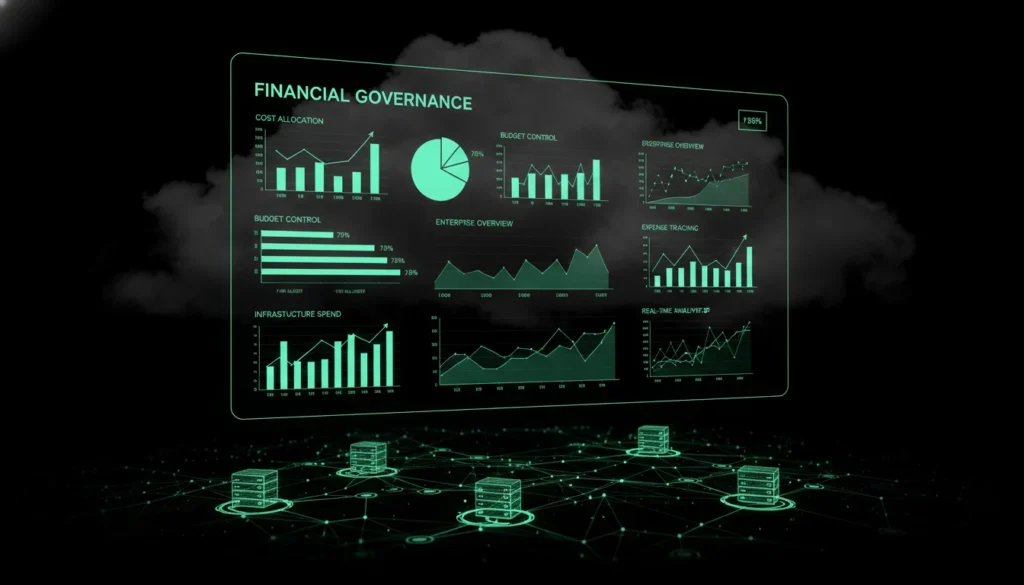
One of the most effective cloud cost optimization strategies for enterprises is implementing strong financial governance from day one. Without visibility and accountability, cloud costs become fragmented across teams, projects, and environments.
Enterprises should define clear ownership, budget controls, approval workflows, and cost allocation models. Financial governance ensures that every cloud resource is tied to a business outcome, not just technical convenience.
2. Right-Size Infrastructure Based on Real Usage
Overprovisioning is one of the biggest drivers of cloud waste. Many enterprises continue to pay for compute, storage, and services that are significantly underutilized.
Regular usage analysis allows organizations to resize virtual machines, databases, and containers based on actual demand. Right-sizing is a foundational cloud cost optimization strategy for enterprises that delivers immediate savings without sacrificing performance.
3. Optimize Pricing Models and Commitments
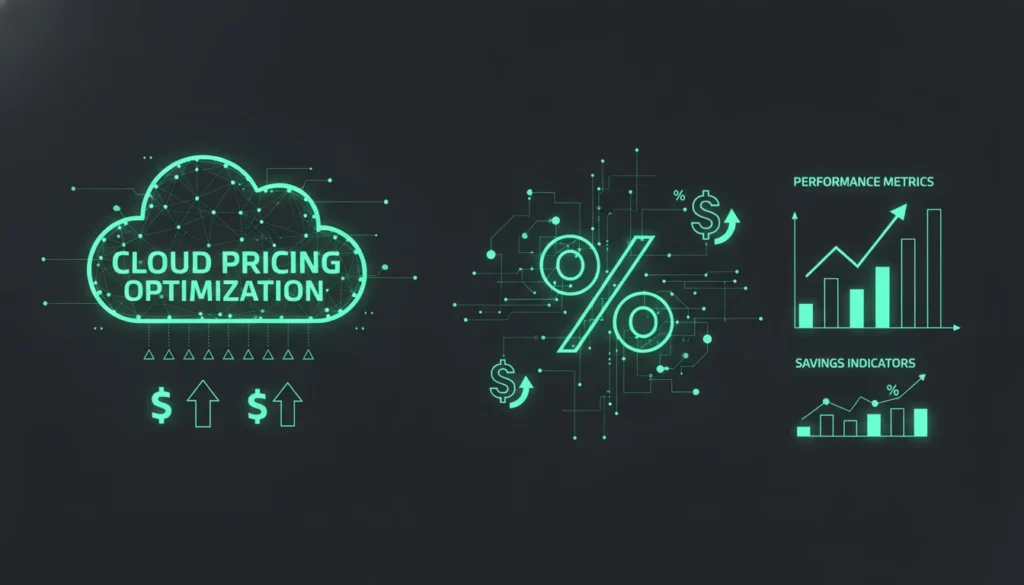
Cloud providers offer multiple pricing options, including reserved instances, savings plans, and committed use discounts. Enterprises that rely solely on on-demand pricing often overpay for predictable workloads.
Strategically selecting pricing models aligned with workload patterns is a critical cloud cost optimization strategy for enterprises. Long-term commitments should be applied selectively, supported by accurate forecasting and usage data.
4. Eliminate Idle and Unused Resources
Idle resources—such as inactive virtual machines, unattached storage volumes, and forgotten test environments—silently drain cloud budgets. These inefficiencies often go unnoticed in large enterprise environments.
Automated monitoring and cleanup policies help identify and remove unused assets. Eliminating waste is one of the simplest yet most impactful cloud cost optimization strategies for enterprises.
5. Embed Cost Awareness Into Engineering Teams
Cloud optimization is not just a finance responsibility—it is a cultural shift. Engineering and DevOps teams must understand the cost implications of architectural decisions.
By integrating cost metrics into development workflows and performance reviews, enterprises encourage teams to design efficient, scalable systems. This shared accountability transforms cloud cost optimization strategies for enterprises into sustainable operational practices.
Why Cloud Cost Optimization Is a Leadership Priority
For enterprises, cloud spending is no longer a technical concern—it is a board-level issue. As organizations scale across regions, teams, and platforms, unmanaged cloud consumption directly impacts operating margins and forecasting accuracy. This makes cloud cost optimization strategies for enterprises a leadership responsibility rather than a reactive cost-control exercise.
Executives must view cloud optimization as an ongoing discipline that evolves with business growth. Cost efficiency, performance reliability, and security posture are deeply interconnected. Enterprises that treat optimization as a one-time initiative often see short-term savings followed by renewed cost sprawl.
By embedding financial accountability, automation, and visibility into cloud operations, enterprises convert cloud spending into a predictable and measurable investment. This approach ensures long-term scalability while protecting profitability and governance.
Conclusion: Turning Cloud Spend Into Strategic Investment
Effective cloud cost optimization strategies for enterprises focus on visibility, governance, and intelligent decision-making—not indiscriminate cost cutting. When managed correctly, cloud spending becomes a strategic investment that fuels growth and innovation.
Learn how DB Soft Tech helps enterprises align cloud performance with financial control on our About Us page.
Ready to optimize your cloud costs without compromising scale or security? Contact DB Soft Tech to build a cloud optimization roadmap tailored for your enterprise.