
Flipkart to WooCommerce strategy is becoming essential for ecommerce brands aiming to scale inventory, control margins, and build independent digital assets. Marketplace platforms offer reach but limit ownership of customer relationships, pricing flexibility, and operational efficiency. WooCommerce enables enterprises to move from dependency to control.
As product catalogs expand, manual listing and inventory duplication become operational bottlenecks. Smart import workflows allow brands to migrate and manage product data efficiently while maintaining consistency across platforms.
Why Enterprises Are Moving From Flipkart to WooCommerce
Marketplace growth often reaches a ceiling due to commission costs, algorithm visibility, and limited branding opportunities. WooCommerce allows businesses to create owned commerce ecosystems where marketing, pricing, and customer experience are fully controlled.
Flipkart to WooCommerce strategy enables long-term digital asset creation instead of short-term marketplace dependency.
1. Automated Product Imports at Scale
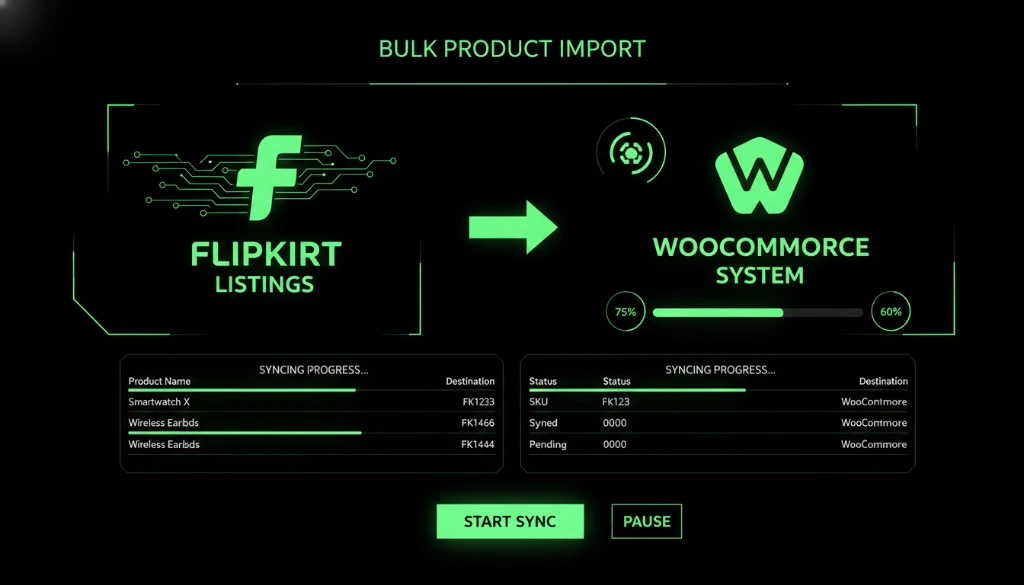
Smart import systems allow enterprises to migrate thousands of listings from Flipkart into WooCommerce without manual re-entry. This includes product descriptions, attributes, pricing, images, and variations.
Automation reduces errors, saves time, and ensures faster onboarding of new inventory into owned ecommerce platforms.
2. Inventory Synchronization and Accuracy
Inventory mismatches create customer dissatisfaction and operational chaos. Smart WooCommerce import systems ensure stock levels remain accurate across warehouses and channels.
Flipkart to WooCommerce strategy ensures businesses maintain real-time visibility into inventory availability and movement.
3. Pricing Flexibility and Margin Expansion
WooCommerce removes marketplace commission constraints, allowing enterprises to experiment with pricing models, bundles, and loyalty incentives.
Brands can optimize margins while offering differentiated pricing across customer segments.
4. Product Catalog Expansion Without Operational Load
Smart import frameworks allow rapid scaling of product catalogs. Enterprises can onboard new suppliers, categories, and SKUs without increasing operational complexity.
This scalability supports aggressive ecommerce growth strategies and seasonal expansion.
5. Data Ownership and Intelligence
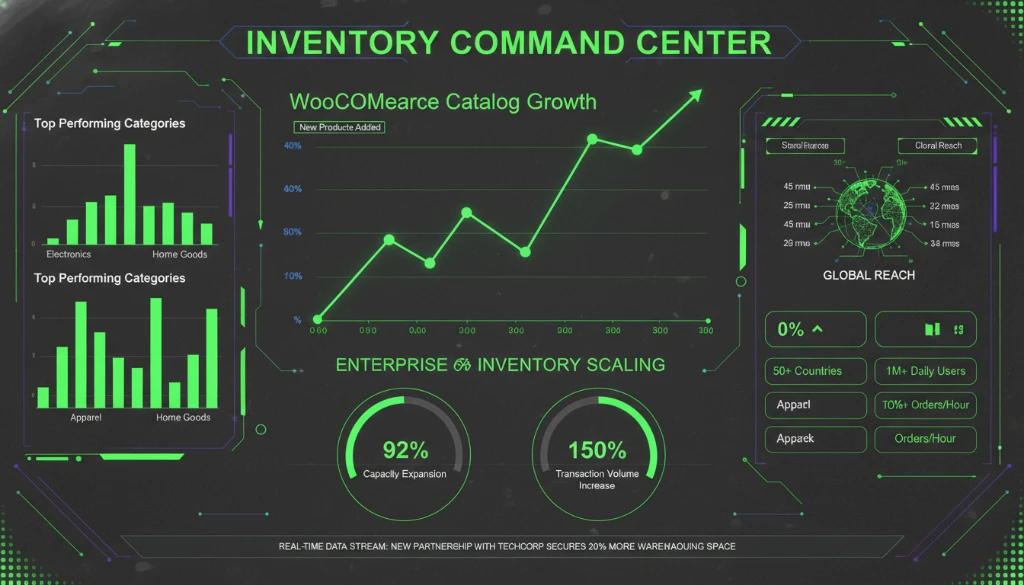
WooCommerce provides access to customer behavior, purchase journeys, and conversion data. This intelligence allows targeted marketing, retention strategies, and personalization.
Flipkart to WooCommerce strategy transforms product imports into data-driven growth infrastructure.
Implementation Approach for Smart Imports
Enterprises must define structured migration workflows including catalog mapping, attribute alignment, SEO data migration, and logistics integration. A phased rollout reduces operational risk and ensures continuity of sales.
Automation tools, APIs, and product data feeds enable smooth transitions without disrupting customer experience.
Operational Risks to Manage
Marketplace traffic dependency, SEO transition, and operational learning curves are key challenges. Enterprises must invest in search visibility, performance marketing, and customer acquisition strategies.
However, these investments create long-term independence and enterprise ecommerce maturity.
Conclusion: Scaling Inventory Through Ownership
Flipkart to WooCommerce strategy empowers enterprises to scale product inventory, automate operations, and build owned commerce ecosystems. Smart imports reduce friction and create the foundation for sustainable digital growth.
Industry insights from enterprise ecommerce research show that brands with owned platforms achieve stronger retention and higher lifetime value.
Learn how DB Soft Tech builds scalable ecommerce ecosystems on our About Us page.
Ready to scale inventory with WooCommerce smart imports? Contact DB Soft Tech to design a high-performance ecommerce migration strategy.