
Future of virtual try-ons is transforming how ecommerce brands reduce return rates, improve sizing accuracy, and enhance buyer confidence. Online shopping historically struggles with uncertainty around fit, appearance, and usability. Artificial intelligence is now bridging that gap through real-time product visualization and predictive sizing.
Virtual try-on technologies allow customers to preview products digitally before purchase, minimizing guesswork and improving satisfaction. This shift is becoming essential for fashion, eyewear, footwear, cosmetics, and accessories retailers.
Why Return Rates Are a Critical Ecommerce Challenge
High return rates directly impact profitability, logistics costs, and operational efficiency. Ecommerce businesses often lose revenue due to sizing issues, product mismatch, and customer dissatisfaction.
Future of virtual try-ons enables customers to make informed decisions before purchasing, reducing post-purchase friction and operational overhead.
1. AI-Based Size Prediction
Advanced AI models analyze customer body measurements, previous purchases, and fit preferences to recommend accurate sizes. This significantly reduces trial-and-error purchasing behavior.
Predictive sizing increases confidence and lowers the probability of returns.
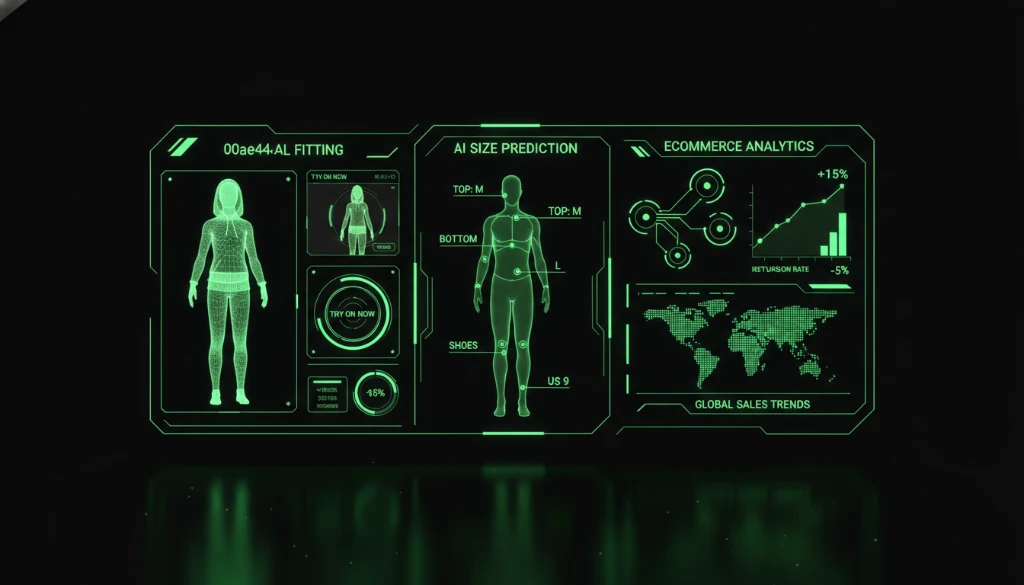
2. Real-Time Product Visualization
Virtual try-on systems allow customers to see how products appear on their own body or face using AR and AI. This visualization improves trust and purchase clarity.
Customers no longer rely solely on product photos, reducing perception gaps between expectation and reality.
3. Personalized Shopping Experiences
AI-driven virtual try-ons adapt to customer preferences, style behavior, and shopping history. This personalization enhances engagement and improves purchase accuracy.
The future of virtual try-ons lies in delivering individualized product experiences rather than generic recommendations.
4. Reduced Logistics and Reverse Supply Costs
Returns create major operational expenses including shipping, inspection, and restocking. Virtual try-ons reduce these costs by increasing first-time purchase accuracy.
This improves profitability and operational sustainability.
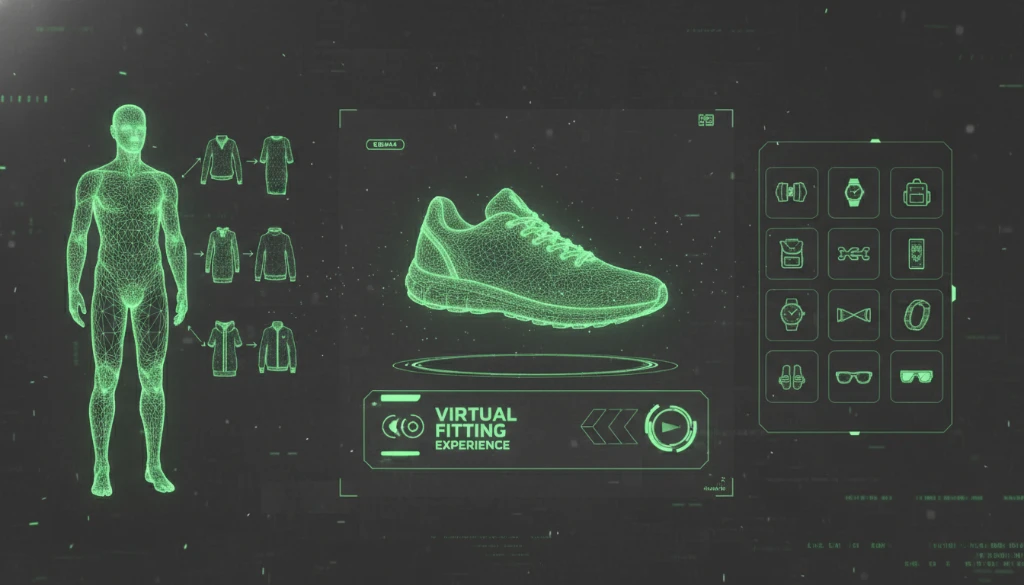
5. Data Intelligence for Product Design
Virtual try-on interactions generate valuable data about fit issues, customer preferences, and sizing patterns. Brands use this intelligence to refine product design and manufacturing.
This feedback loop reduces defects and improves product-market alignment.
Industries Leading Virtual Try-On Adoption
Fashion and apparel brands are early adopters due to sizing challenges. Eyewear companies use facial mapping to preview frames. Cosmetics brands enable shade matching using AI visualization.
Furniture and lifestyle brands are also adopting spatial visualization tools to reduce mismatch expectations.
Implementation Challenges Enterprises Must Address
Adopting virtual try-ons requires investment in AR infrastructure, data models, and integration with ecommerce platforms. Accuracy, performance, and user experience determine success.
Enterprises must balance innovation with usability to ensure adoption and scalability.
Conclusion: Virtual Try-Ons as Ecommerce Infrastructure
Future of virtual try-ons is redefining ecommerce by reducing return rates and improving customer satisfaction. AI-powered visualization enables confident buying decisions and strengthens digital retail ecosystems.
According to retail innovation insights, virtual try-on technologies are becoming central to next-generation ecommerce experiences.
Learn how DB Soft Tech builds AI-powered retail solutions on our About Us page.
Ready to reduce returns and improve ecommerce conversions? Contact DB Soft Tech to implement scalable virtual try-on systems for your business.