
The era of static mobile apps is ending. Users today don’t just want to “use” an app; they want to experience it. As screens become better and processors faster, the battle for user attention has shifted to two frontiers: Augmented Reality (AR) and Predictive UX. This isn’t just a design trend—it’s a fundamental shift in how businesses connect with customers.

1. AR: The World is Your Interface
Augmented Reality is no longer just for gaming. It is becoming a practical tool for retail, real estate, and education. By overlaying digital information onto the physical world, apps can provide context that a simple 2D screen never could. Imagine a furniture app that lets you see a sofa in your living room, or a maintenance app that highlights the exact screw to turn on a machine.
- Engagement: AR experiences hold user attention 4x longer than video.
- Utility: It bridges the gap between digital convenience and physical reality.
2. Predictive UX: The App That Thinks Ahead
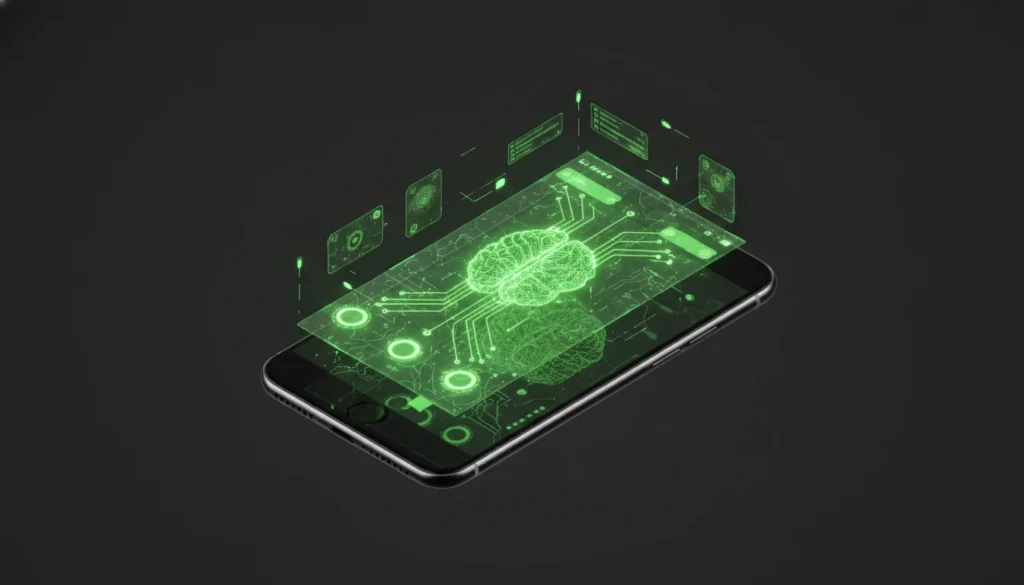
While AR changes what users see, Predictive UX changes what they do. Powered by AI, predictive user experience doesn’t just wait for a click—it anticipates it. By analyzing user behavior patterns, apps can now pre-load content, suggest actions, or simplify navigation before the user even realizes what they want.
3. Why This Matters for Your Business Strategy
Implementing immersive technologies is not about showing off; it’s about reducing friction. An app that knows what a user needs (Predictive UX) and helps them visualize it (AR) creates a seamless journey from curiosity to conversion.
Conclusion: The Future is Immersive
Agencies and brands that ignore this shift risk becoming obsolete. The technology is here, and the users are ready. Is your mobile strategy prepared for the immersive age?
At DB Soft Tech, we craft next-gen mobile experiences that captivate and convert. Upgrade your mobile strategy today.