Vibe coding 2026 represents a dramatic shift in how software development workflows operate. Traditional programming required developers to write extensive code manually, translate product ideas into structured syntax, and debug systems line by line. The rise of AI-assisted development tools is changing that process entirely. Developers are increasingly communicating intent rather than manually implementing every component of an application.
In this new environment, AI systems generate large portions of code, automate debugging, and assist in system architecture decisions. The concept of vibe coding refers to developers guiding AI systems through natural language instructions, high-level objectives, and contextual prompts.
The Evolution of Developer Workflows
Software development has evolved through multiple stages, from low-level programming languages to modern frameworks and automated deployment pipelines. Each generation of tools reduced complexity and accelerated productivity.
Vibe coding 2026 represents the next stage in this evolution. Instead of focusing on syntax and repetitive implementation tasks, developers concentrate on defining the desired behavior of applications.
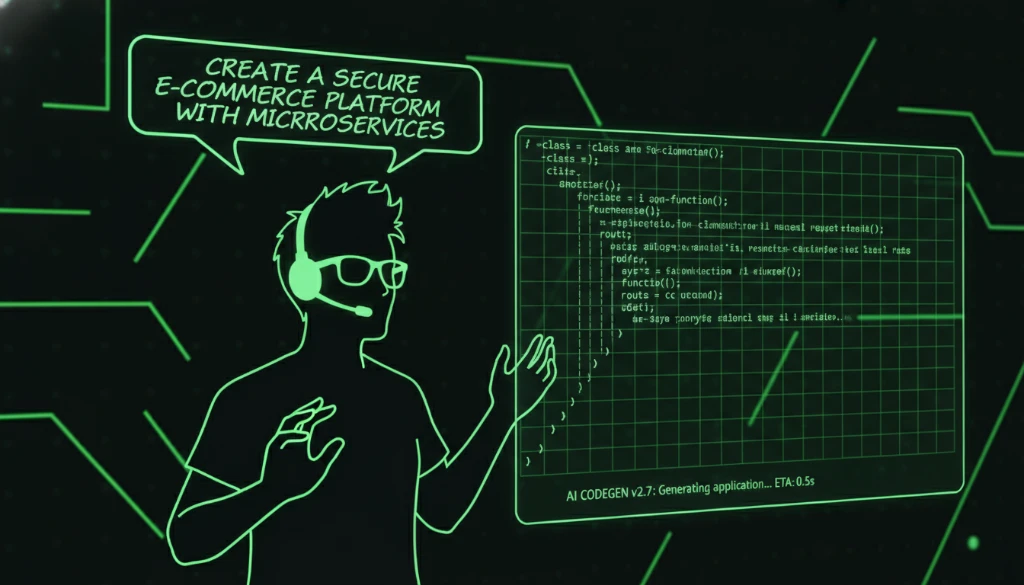
1. Natural Language as a Development Interface
One of the most significant changes in vibe coding 2026 is the rise of natural language programming. Developers describe system behavior, user interfaces, and business logic in conversational instructions.
AI systems interpret these instructions and generate structured code that matches the intended functionality.
2. AI-Assisted Architecture Design
Architectural decisions traditionally required deep technical experience and careful planning. AI-powered development platforms now analyze system requirements and recommend optimal architectures.
Developers can evaluate different design options more quickly while maintaining control over final decisions.
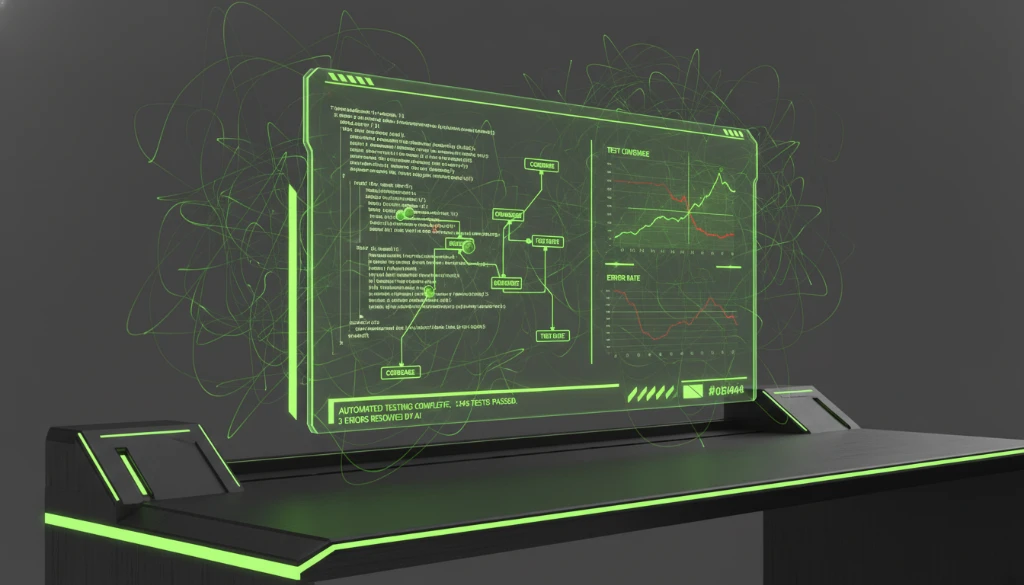
3. Automated Testing and Debugging
Testing and debugging consume a significant portion of development time. AI tools analyze code behavior, identify potential bugs, and generate automated test cases.
These capabilities reduce development cycles and improve software reliability.
4. Faster Prototyping and Iteration
Vibe coding allows teams to create functional prototypes rapidly. Developers can experiment with ideas, refine features, and deploy early versions of products without writing extensive boilerplate code.
This rapid iteration supports innovation and reduces the time required to launch new applications.
5. Human-AI Collaboration in Engineering
Vibe coding 2026 does not eliminate developers. Instead, it introduces collaborative workflows where AI assists with implementation while humans guide strategy and design.
Developers remain responsible for architecture, security decisions, and long-term maintainability.
Challenges in AI-Assisted Development
Despite its advantages, vibe coding introduces challenges related to code transparency, dependency on AI systems, and quality assurance. Generated code must still be carefully reviewed to ensure security and performance.
Organizations must also establish governance frameworks for managing AI-assisted development environments.
The Future of Software Engineering
As AI tools become more capable, development workflows will continue evolving. Developers may spend less time writing syntax and more time designing intelligent systems that solve complex problems.
Vibe coding 2026 highlights a broader transformation where software engineering becomes more strategic and less mechanical.
Conclusion: A New Era of Development
Vibe coding 2026 signals a shift toward intent-driven development environments powered by artificial intelligence. By automating repetitive tasks and accelerating experimentation, AI tools enable developers to focus on creativity and innovation.
Industry research from software engineering research highlights the growing influence of AI in developer productivity.
Learn how DB Soft Tech builds advanced AI-powered development platforms on our About Us page.
Ready to accelerate your development workflows with AI? Contact DB Soft Tech to design scalable software engineering solutions.