
Visual commerce is redefining the digital shopping experience by enabling customers to interact with products through immersive visual technologies. Traditional ecommerce relies on static product images and descriptions. However, modern shoppers increasingly expect interactive experiences that allow them to visualize products before purchasing.
3D virtual try-ons are becoming one of the most powerful tools in visual commerce. By allowing customers to see how products look, fit, or function in real-world contexts, retailers can reduce uncertainty and improve purchase confidence.
The Evolution of Ecommerce Experiences
Early ecommerce platforms focused primarily on convenience and accessibility. Over time, competition has forced retailers to innovate in customer experience. High-quality product images, videos, and user reviews have helped improve online shopping confidence.
Visual commerce represents the next stage of this evolution. Technologies such as augmented reality, 3D modeling, and interactive product visualization allow customers to explore products in ways previously possible only in physical stores.
1. Improved Customer Confidence
One of the biggest challenges in online shopping is uncertainty. Customers often hesitate to purchase products without knowing how they will look or fit in real life.
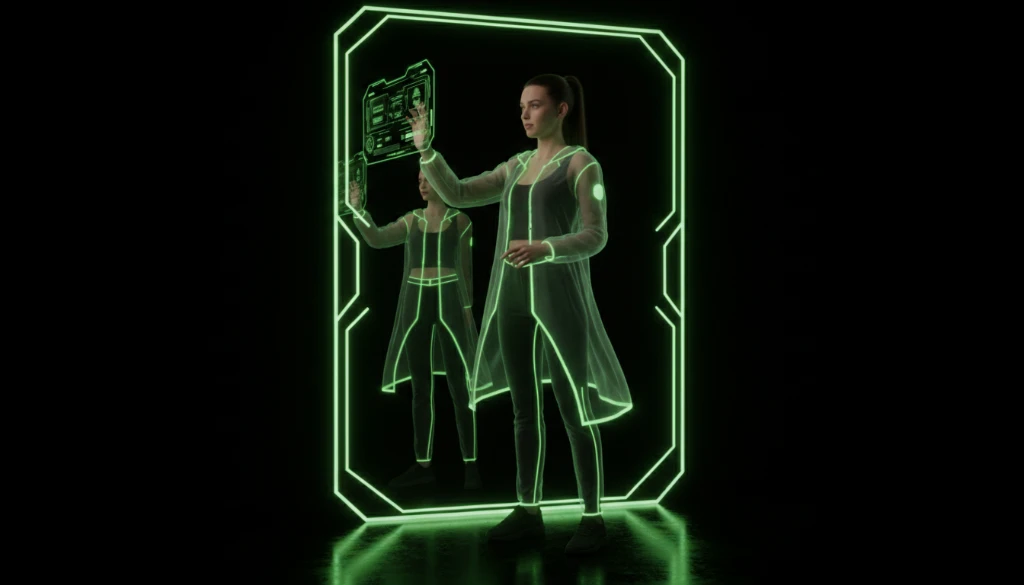
Visual commerce addresses this challenge by enabling shoppers to preview products directly on their own bodies, faces, or environments using virtual try-on systems.
2. Reduced Product Return Rates
Returns represent a major cost for ecommerce businesses. Many returns occur because customers receive products that do not match their expectations.
3D virtual try-ons reduce this mismatch by providing realistic previews of product appearance and fit before the purchase is completed.
3. Higher Conversion Rates
Interactive experiences increase engagement and encourage customers to spend more time exploring products. This deeper interaction often translates into higher conversion rates.
Visual commerce helps customers move from browsing to purchasing more quickly by reducing hesitation and uncertainty.
4. Enhanced Product Discovery
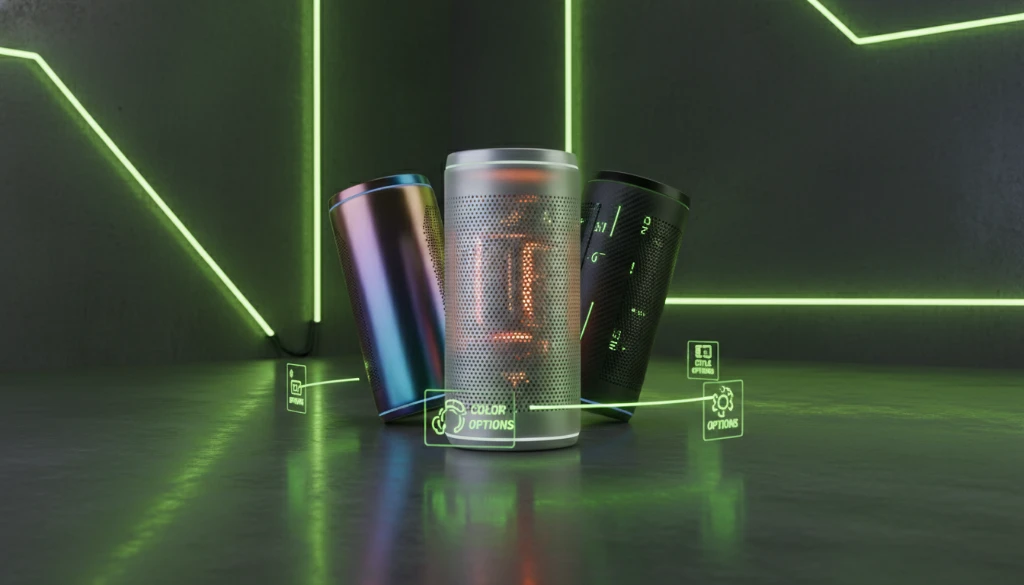
Virtual try-on technology allows customers to experiment with multiple product variations such as colors, styles, and sizes in seconds. This encourages exploration and increases the likelihood of finding a product that matches customer preferences.
Retailers can also recommend complementary products within the virtual environment.
5. Competitive Differentiation for Retailers
As ecommerce competition intensifies, brands must differentiate themselves through superior experiences. Visual commerce allows retailers to offer innovative interactions that traditional product pages cannot match.
Early adopters of 3D try-on technologies often gain a significant competitive advantage in digital marketplaces.
Industries Leading the Adoption
Fashion retailers are among the earliest adopters of visual commerce because clothing fit and style are difficult to evaluate online. Eyewear brands use facial recognition to preview frames, while cosmetic companies enable customers to test makeup shades digitally.
Furniture retailers also use augmented reality to show how products fit within a customer’s home environment.
Implementation Challenges
Adopting visual commerce technologies requires investment in 3D product modeling, AR development, and platform integration. Retailers must also ensure that virtual try-on experiences work smoothly across mobile devices and browsers.
Performance optimization is essential to avoid slow loading times that could discourage users.
The Future of Ecommerce Interaction
As hardware and AI technologies continue to evolve, visual commerce will become even more immersive. Advanced rendering engines and real-time simulation will enable customers to interact with products in highly realistic digital environments.
3D virtual try-ons are likely to become a standard feature in many ecommerce platforms.
Conclusion: A New Standard for Digital Shopping
Visual commerce is transforming how customers evaluate products online. By enabling interactive product visualization and realistic previews, retailers can increase customer confidence and reduce return rates.
Industry insights from retail innovation research highlight the growing role of immersive technologies in ecommerce.
Learn how DB Soft Tech develops advanced ecommerce platforms on our About Us page.
Ready to implement 3D virtual try-on experiences for your store? Contact DB Soft Tech to build scalable visual commerce solutions.